
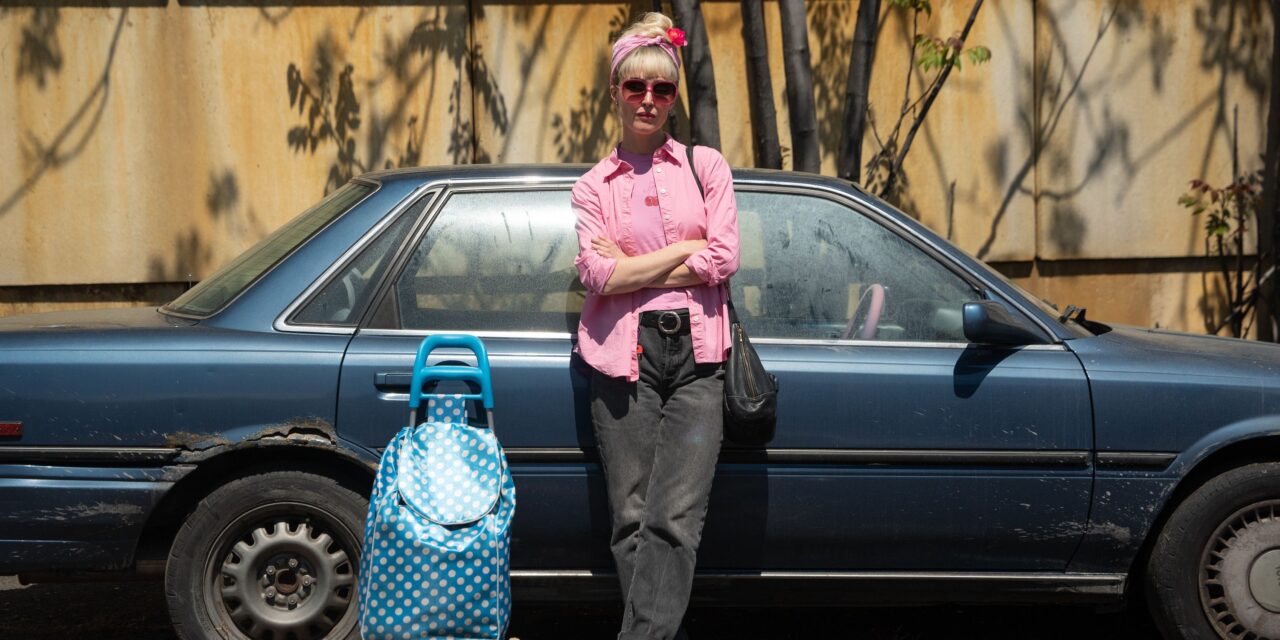
It’s always a risk when you ask a performer to shoulder a film and carry it over the finish line. Sometimes it works, the star’s sheer charisma is enough to override the glaring flaws. But often times, no matter how bright that star shines it can’t outshine the weaknesses. Thus is the case with Tow, a struggling film about life’s hardships that fails to examine its own core themes beyond the surface of its ideas. It relies heavily on the power of Rose Byrne, which is admittedly quite strong and almost enough to make everything here work. It’s unfortunate too, because what Tow wants to say about social injustice, the housing crisis, alcoholism, recovery, and systemic inequality designed to keep people in poverty invokes vital discussions we should be having often.
The true story of Amanda Olge (Byrne) fighting to get her car back from a predatory tow company is littered with all of these compelling elements. But Tow rushes through the deeper analysis of them to deliver a more Lifetime-esque version of events, seemingly afraid to really dig deep into the heart of its own critiques. There is certainly heart and humanity that director Stephanie Laing imbues into all of her characters, particularly in Amanda herself. Byrne and Laing work hard to never exploit the titular character and her shortcomings, leaving that to the systems that prey on the vulnerable and highlighting the lack of empathy shown to people just trying to make it in today’s cruel world.

Tow follows Amanda Olge, a single mother living in her 91′ Camry in Seattle. It is her lifeline, and as she struggles to find permanent residence and secure a job so she can get off the street and see her daughter living in Utah her car is stolen during a job interview and then towed. She is hit with the charges, and when she tries to fight it is thrust into an endless cycle of legal battles and indifference from powerful entities. The whole system feels stacked against her, but through her own resilience and persistence – along with the help of a young lawyer (Dominic Sessa) and fellow unhoused friends, her fight becomes a rallying cry for change. Tow also stars Octavia Spencer, Demi Lovato, Ariana DeBose, and Simon Rex.
There is No Tow Without Byrne
Byrne is the lynchpin that holds it altogether. Tow doesn’t work without someone like Byrne fully committing to the role and invoking every once of biting wit and charming sarcasm she possesses. Amanda is a spitfire, and of course Rose is the perfect person to embody that. Even when she is in her own way – which is quite often – she’s still hard not to root for and hope for her to win out in the end. But Tow stops short of really investigating Amanda and her overall situation. There’s some hints at self acceptance and self actualization in which Amanda refuses to admit that she is homeless or that she struggles with addiction. This informs so many of her decisions and is largely brushed aside as being just a part of her charm instead of something more insightful about WHY she is where she is.
Laing’s direction shies away from many of the more important ideas and trades them out for near melodrama. Sessa’s young lawyer matches the charm factor but isn’t really utilized enough to be all that effective. Tow only tells us that the legal battles are relentless and a carefully crafted labyrinth working in favor of the wealthy and powerful. It never shows us of how this happens and what is being done, just that Sessa can’t get anyone on the phone and the big bad tow company execs are far more interested in eating fancy meals and golfing. That’s real of course, but it should have more to say about it all. It breezes through the more interesting courtroom dramas to speed run Amanda’s ups and downs without her car. And even that is only ever on the surface. Amanda is such an intriguing person, and Byrne works hard to bring all of her to life. But the script holds her back from truly exploring the real depths of the character and the situations she finds herself in.
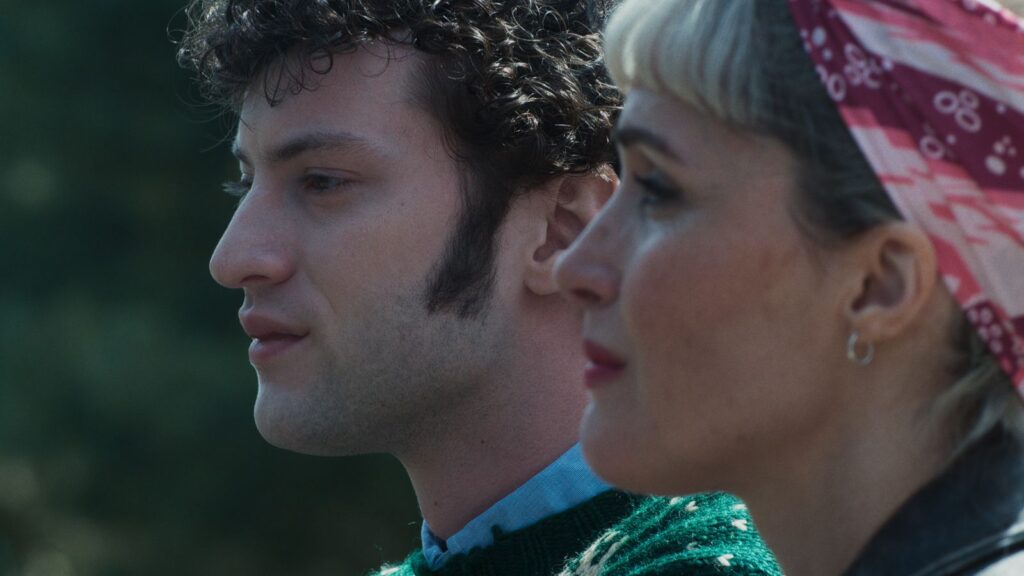
Tow does just enough tow the line (pun intended) across its finish, resting on Byrne’s undeniable presence and necessary foundation of struggle and fighting the good fight. Late stage capitalism comes for us all eventually, and most of us are one bad day away from being in Amanda’s situation. And the rich and powerful rely on us hitting rock bottom to extort (a harsh word, that’s why I picked it) money from people who simply have none. Her story reminds us that we can fight it, we can become the better versions of ourselves and earn little victories for the little guy. I just wish Tow worked harder to convey these complex but universal struggles in a film that should be far more impactful than it ultimately ends up being.
Tow is a dark comedy drama that almost gets there but ultimately fails to have its day in court. Rose Byrne and Dominic Sessa innocent.





 That Hashtag Show
