
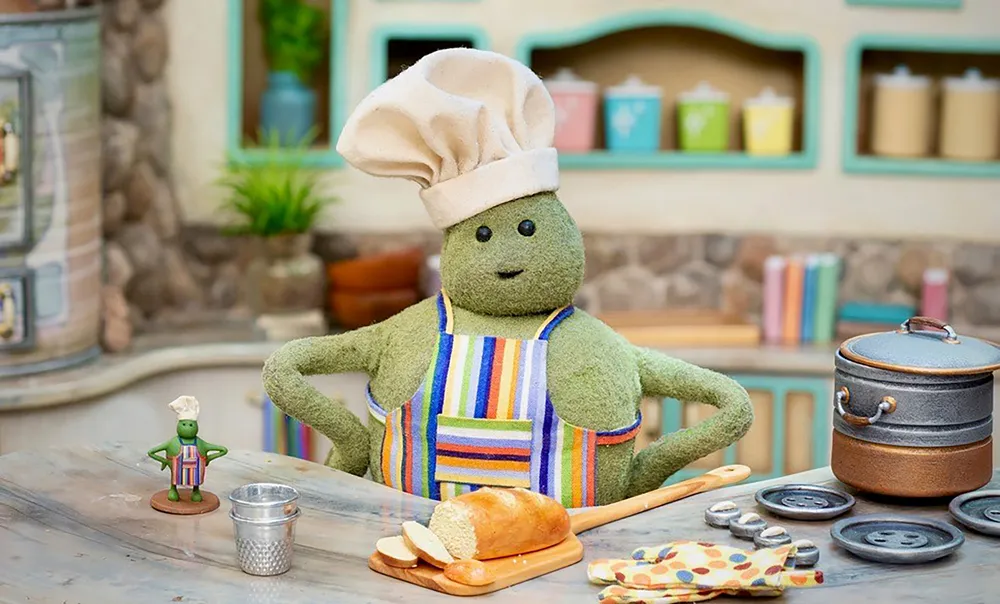
At WonderCon, the team behind Tiny Chef gave one of the clearest answers yet to a question hanging over animation, voice work, and art right now. Why keep doing things the hard way when AI promises speed, shortcuts, and cheaper output? Their answer was simple. Because the hard way is the point. In our interview, Rachel Larson, Matt Hutchinson, Jason, and Ozzy framed Tiny Chef not as content built for efficiency, but as something built for touch, instinct, and human weirdness. That difference matters more than ever.
Tiny Chef’s Handmade World Is the Whole Appeal
Before the team even got into the anti-AI angle, Larson explained what has always driven Tiny Chef. They were not chasing a demographic. They were chasing something funny, wholesome, and honest enough to connect with anyone.
“We were just trying to make ourselves laugh and have fun and, like, produce content that we really liked and kept it pretty wholesome. So I think it really resonated with kids, adults, like all ages. We don’t really cater to kids, we don’t cater to adults. We make content that we really like, and it tends to work for all ages.”
That mindset helps explain why Tiny Chef feels so specific. The show never reads like a focus-grouped kids brand. It feels like a tiny handmade universe that viewers of all ages stumbled into and refused to leave. That same creative honesty also shaped how the team responded when the show’s cancellation video sparked a groundswell of support. Larson said they hoped fans would rally, but did not expect the response to hit as hard as it did. Ozzy added that the support helped keep them independent for more than a year.
The Team Sees AI as a Threat to the Soul of the Work
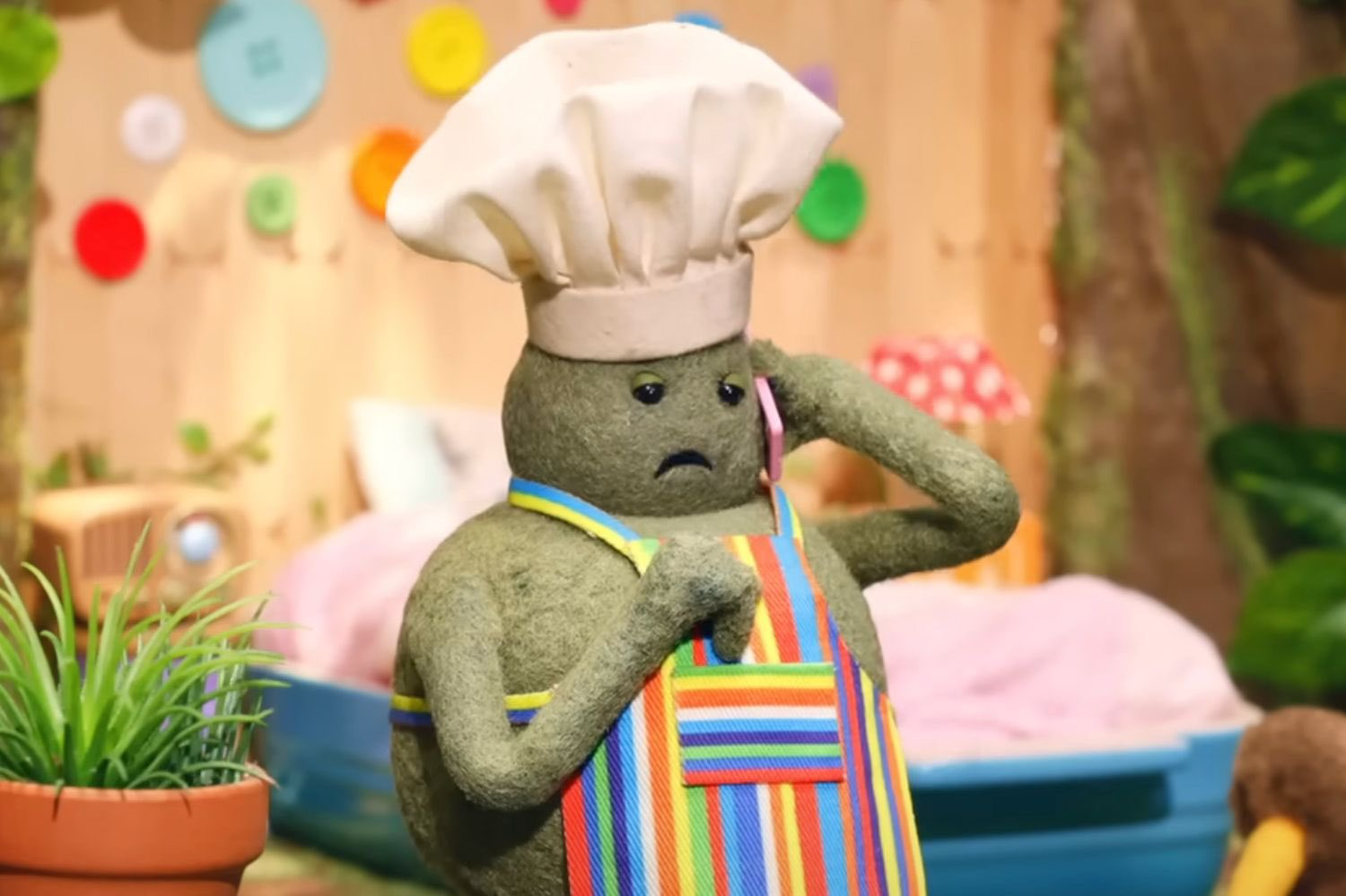
The interview’s strongest moment came when the conversation turned directly to AI. Hutchinson did not dodge the question. He made the stakes plain, especially for voice artists.
“In terms of AI, we’re fighting that tooth and nail because it has the potential to just take all of our jobs, especially in the voice over community. It’s special to be a part of something like this where we specifically don’t use AI for anything and it’s all stuff that you can touch. It’s all tangible and real materials.”
That answer cuts to the heart of why Tiny Chef stands out. This is not just stop-motion for the sake of aesthetics. It is a defense of process. Every prop, texture, costume, light choice, and vocal choice carries human judgment. The team is not selling polish. They are selling presence. In an era when more entertainment starts to feel frictionless, Tiny Chef still feels made by hands.
The Magic Comes From Mistakes, Improvising, and Fan Accountability
The best part of the team’s answer is that they did not pretend to be perfect. Jason admitted he once used ChatGPT to make a tiny background book cover for the IKEA short. Fans spotted it instantly and hated it.
“The fans called it out instantly, and were so angry. We got a little slap on the wrist from the fan base and we were like, all right, we won’t do that again.”
“We heard you. Loud and clear.”
“It’s magic because of the process.”
That exchange says a lot. First, the fans care enough to notice a background prop. Second, the team cared enough to listen. Larson then brought it back to what makes the show work, the ad libs, the off-the-cuff prop ideas, the animation beats nobody planned, and the lighting choices that turn into the funniest moments. Those are not bugs in the system. They are the system. Tiny Chef works because people keep leaving fingerprints on it.
Tiny Chef’s official site currently points fans to support Chef directly, join the Fwend Club, shop, and follow ongoing content updates. The official Tiny Chef YouTube channel and Instagram also remain active hubs for new videos and fan engagement.
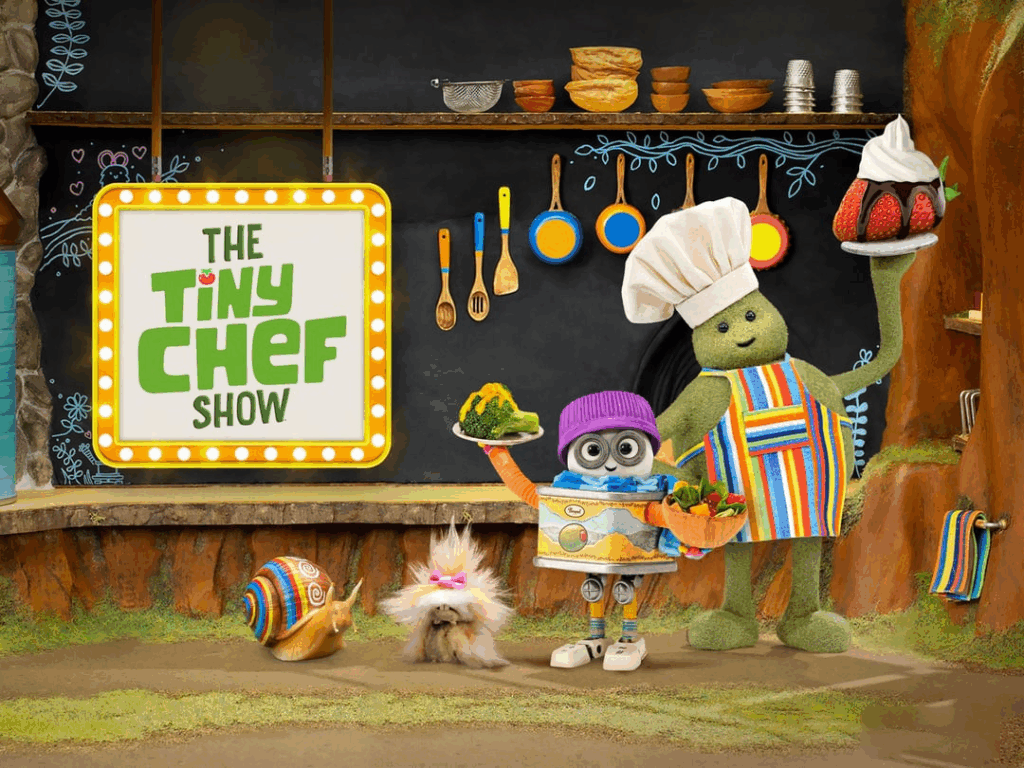
Do you think handmade animation hits differently now? Should more creators draw a harder line against AI tools? Is Tiny Chef one of the best examples of why process still matters? Share your thoughts in the comments or @me

![‘André Is An Idiot’: Tony Benna & Lee Einhorn On The Making Of One Man’s Journey Post Cancer Diagnosis [THS Interview]](https://www.thathashtagshow.com/wp-content/uploads/2026/03/Untitled-1-2-2-440x264.png)



 That Hashtag Show
