
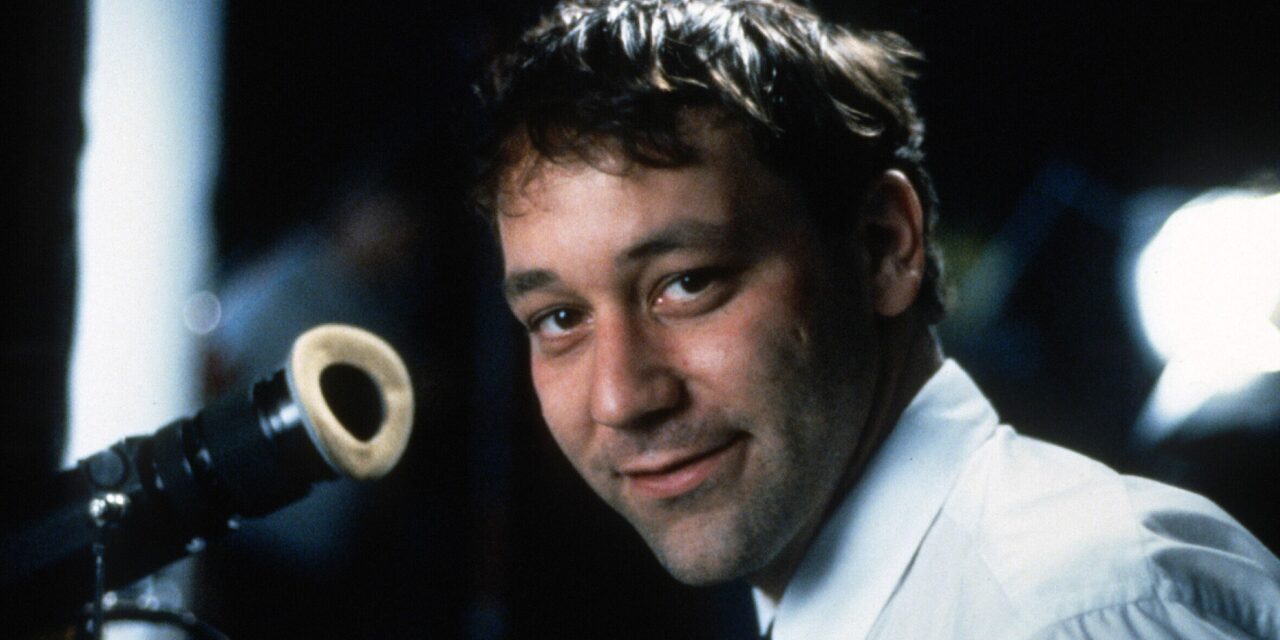
Sam Raimi returns to the big screen with this weekend’s horror thriller Send Help. His first original movie in 17 years since the release of Drag Me to Hell in 2009. It’s not as if Raimi hasn’t been busy, even returning to direct a comic book film after his tenure with the Spider-Man films with 2022’s Doctor Strange in the Multiverse of Madness. That being said, this weekend represents a return to form for Raimi. This makes it the best time break down the five best Sam Raimi films ever!
*Note: This list was compiled ahead of seeing his latest film, Send Help.
Honorable Mention: The Gift (2000)
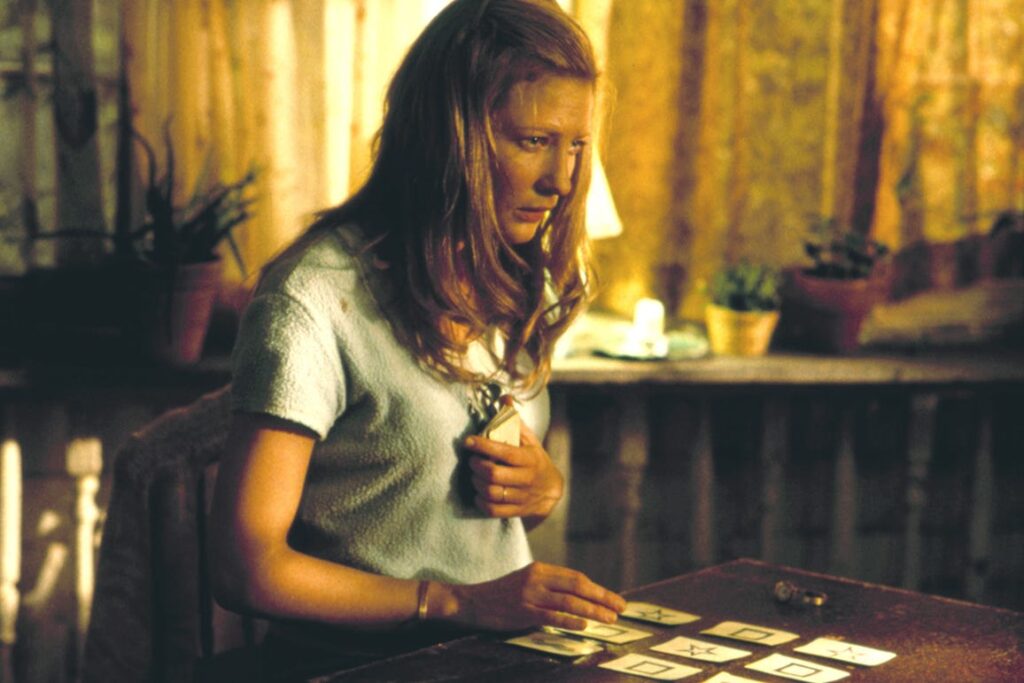
It can be argued that this Southern Gothic supernatural is one of the most underappreciated and underrated movies in Raimi’s filmography. Especially since The Gift boasts a remarkable ensemble cast that is aided by the director’s restrained approach at the helm. Its directed by Raimi from a screenplay by Billy Bob Thornton and Tom Epperson. The Gift follows single mother and psychic, Annabelle “Annie” Wilson (Cate Blanchett), who finds herself embroiled in a missing person case after one of her visions puts her in the center of the mystery. The Gift manages to balance its supernatural story with character-driven work that elevates the material. Raimi is a bit more restrained here in terms of his signature style.
Sometimes a good director knows when to let his cast cook. Doing just that with an ensemble at the top of their game. In addition to Blanchett putting in her usual good work, Raimi gets a career-best performance from Keanu Reeves as Hilary Swank’s frightening and abusive husband. While supporting work from Giovanni Ribisi, Katie Holmes, and Greg Kinnear also makes an impression. The Gift grossed a mere $12 million at the domestic box office. But proved to be a winner thanks to a global gross that carried it to $44.5 million on a $10 million budget. That being said, it’s one of Raimi’s more low-key efforts and, because of that, it tends to be forgotten. The Gift is worthy of another look and proof that the director can handle building tension in a more subdued manner.
5. A Simple Plan (1998)
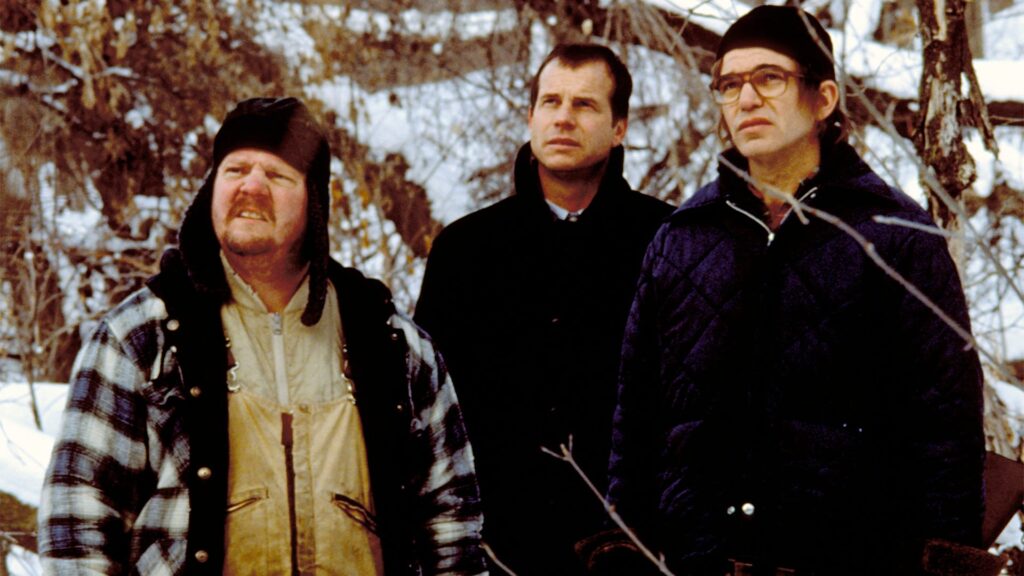
If The Gift isn’t enough proof that Raimi has an eye for subdued thrillers, check out his 1998 neo-noir crime thriller, A Simple Plan. Its written by Scott B. Smith and based on his 1993 novel of the same name. A Simple Plan takes audiences to rural Minnesota. Following brothers Hank and Jacob Mitchell (Bill Paxton and Billy Bob Thornton) as they discover a crashed plane. Alongside Jacob’s friend Lou Chambers (Brent Briscoe), containing a haul of $4.4 million in cash. Along with Hank’s wife, Sarah (Bridget Fonda), they try to keep the money a secret. But this much money can only breed distrust among the friends and ultimately leads to murder.
A Simple Plan, thanks in large part to Smith’s writing and Raimi’s direction, is a very intense and often unpredictable thriller. Audiences watch as seemingly good people begin to descend into deceit because of the very thing that’s often called the root of all evil. Raimi, at this point, was known more for his highly stylized work in horror. But A Simple Plan proved he could be much more restrained. Taking the suspense to a fever pitch with his focus on character motivations. As well as using the rural Minnesota setting that makes the audience feel the cold and the growing isolation of their surroundings.
The film also proves to be an intriguing character piece as it shows just how far people will go when desperation sets in. Along with a healthy dose of paranoia. The acting is excellent across the board. Thornton, who earned a Best Supporting Actor nomination for his performance, is at his best as the vulnerable Jacob. Strangely, A Simple Plan wasn’t a huge hit when it was released back in 1998 (it grossed $16.3 million on a $17 million budget). But time has allowed it to be discovered more as a little something different in Raimi’s filmography and a shining example of his diversity as a filmmaker.
4. Drag Me to Hell (2009)
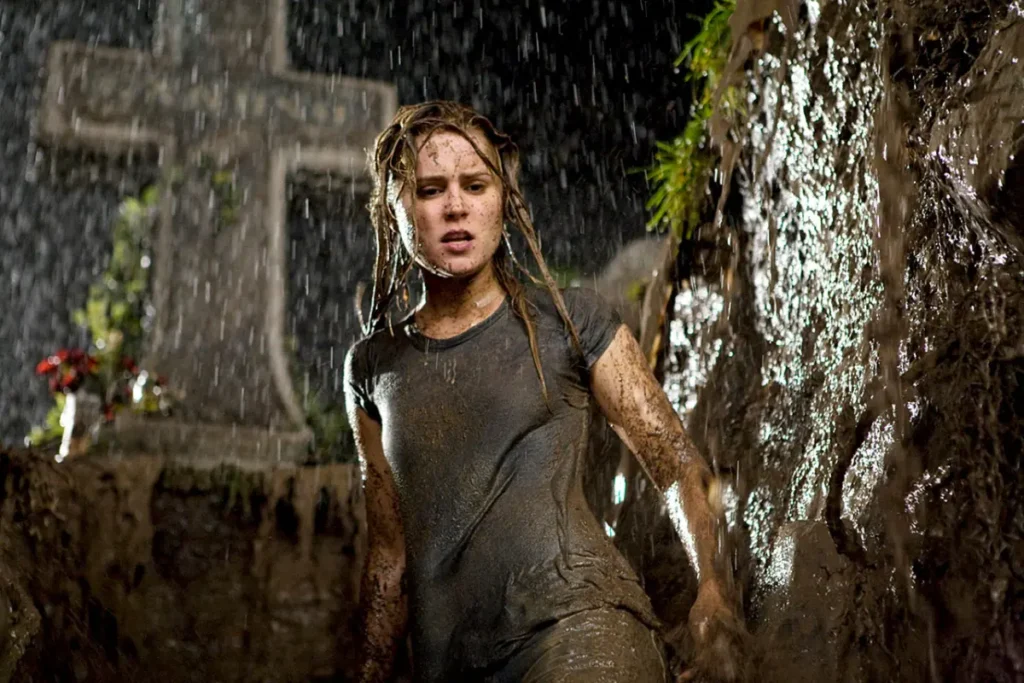
During the mid-2000s, Raimi found himself busy as a director helming three Spider-Man movies. So it was a bit of a breath of fresh air to see him return to his roots with the supernatural horror film, Drag Me to Hell. Its written by Raimi and his brother Ivan Raimi. The film follows loan officer Christine Brown, who decides to prove herself to her boss by making “hard decisions” at her job when s she refuses to extend an old woman’s mortgage. This proves to be a poor decision because Mrs. Sylvia Ganush (Lorna Raver) places a curse on her. After three days of torment it puts star Alison Lohman through the worst of it, and will send her to burn in the flames of Hell for all of eternity.
With Drag Me to Hell, Raimi proved that his time with the Spider-Man movies didn’t dull his abilities to expertly blend supernatural horror with dark humor that is perfectly balanced throughout the film’s 99-minute runtime. The pacing is unrelenting and utilizes some of the director’s signature techniques that made his early horror efforts classics. Everything about the film is blistering with energy. He puts his star through her paces because she has to endure a series of gross-out moments that should help her remain in the pantheon of Raimi performers who held their own through a horror style he made famous during his Evil Dead days. Raimi’s direction is aided by immersive sound design. As well as a robust score from composer Christopher Young that intensifies several of the film’s memorable sequences.
Drag Me to Hell also works because it’s just not a horror film without rhyme or reason. It showcases, in graphic detail, that there are consequences to our actions. That’s more than proven during the film’s fairly bold ending. Drag Me to Hell served its purpose in 2009, that Raimi still had the chops to deliver on the horror front, and it still stands up all these years later.
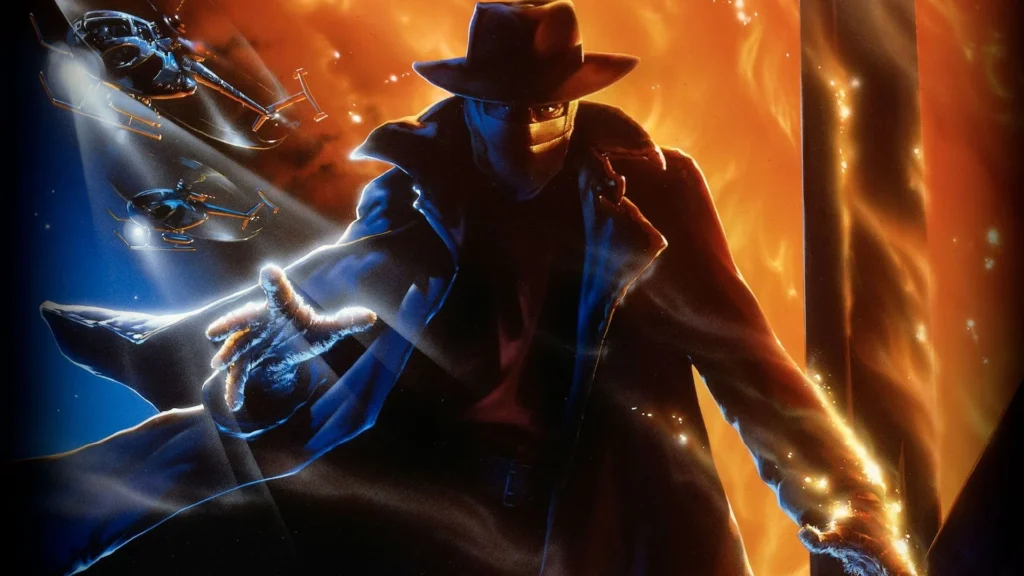
3. Darkman (1990)
With Darkman, Raimi proved he could handle a studio film after working on smaller efforts. The movie blends superhero filmmaking with gothic horror that works within Raimi’s style. Which was only growing and maturing at the time. Its directed by Raimi from a screenplay he co-wrote alongside Chuck Pfarrer, Ian Raimi, Daniel Goldin, and Joshua Goldin. Darkman follows a scientist named Peyton Westlake (Liam Neeson) who is attacked, disfigured, and left for dead with horrible burns by mobster Robert Durant (Larry Drake) and his band of thugs. Peyton inadvertently becomes a target when his attorney girlfriend Julie Hastings unknowingly comes into possession of a document. One that could spell trouble for corrupt developer Louis Stack Jr. (Colin Friels). Following the attack, Peyton uses some of his experimental treatment to embark on a journey of vengeance to take down every single person who disfigured him and destroyed his life.
Raimi brings his rapid-fire and kinetic style to Darkman. While managing to balance various genres effortlessly to create a truly unique superhero origin story. You get a sense of Raimi’s dark humor throughout the film. Some of the film’s sequences even toy with some atmospheric horror elements that actually work. In addition to this, the director proved he could handle big action sequences and managed to make them feel more larger than life despite its relatively slim $14 million budget.
Darkman also works as a human story, thanks in large part to Neeson, who adds nuance to Peyton. As he descends into madness because of his disfigurement and losing the love of his life, he manages to find heart in all of the madness. This makes the central character worth rooting for. Darkman was moderately successful at the time of its release. Grossing $48.8 million worldwide, but it grew into a cult classic thanks to its performance on home video. Darkman more than proved what Raimi ultimately accomplished with Spider-Man. Here’s to hoping that news of the sequel being in development comes to pass. It would be great to see some of his stamp on this character once again.
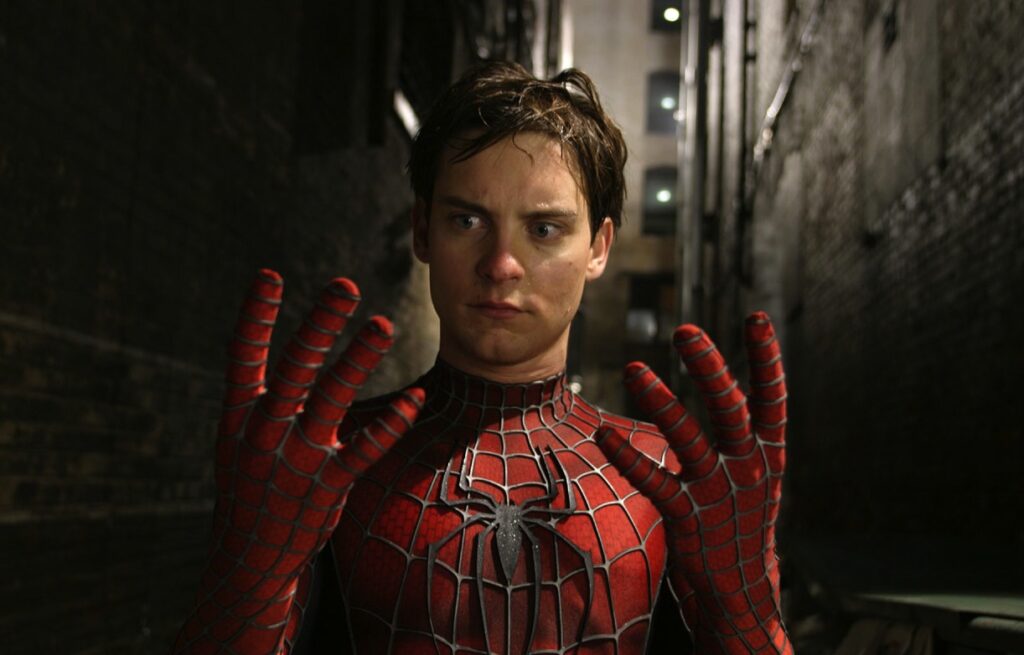
2. Spider-Man 2 (2004)
There is no denying that 2002’s Spider-Man set a new tone for comic book movies. Proving that Marvel adaptations were a growing force within the industry. But Spider-Man 2 managed to bring comic book movie spectacle alongside a character-driven story that still makes it rank as one of the best of the genre. Its directed by Raimi from a screenplay by Alvin Sargent and story by Michael Chabon, Alfred Gough and Miles Millar. Spider-Man 2 finds Peter Parker/Spider-Man (Tobey Maguire) going up against scientist Dr. Otto Octavius (Alfred Molina). He is on the verge of recreating an experiment that will prove to be dangerous. While also dealing with personal issues that are affecting his abilities. The latter portion of the plot description is why Spider-Man 2 continues to work.
It’s a surprisingly grounded character-driven film. Peter has to deal with the angst of paying bills, maintaining a job, dealing with the internal conflict and guilt regarding his best friend Harry Osborn (James Franco). Along with his complicated relationship with Mary Jane Watson (Kirsten Dunst). Since the 2002 film set up the origin story, Spider-Man 2 gets more room to breathe as it dives into Peter’s personal choices. All while he maintaining a secret persona as Spider-Man. The stress of all of this begins to affect his powers, and all feels entirely relatable.
Beyond the character-driven drama, the film features a standout villain in Dr. Otto Octavius. He manages to convey sympathy with ruthless villainy. While Raimi stages some of the best action sequences of his career and the comic book genre as a whole (the train fight sequence remains a highlight of fast-paced action and immense emotional payoff). The film raises the stakes in all the right ways for a sequel. That’s what makes Spider-Man 2 stand tall as a follow-up. It takes what worked about the first movie, deepens the narrative, and creates defining moments for all of the characters. It’s one of the best sequels ever made. Easily one of the best comic book films made to date, and that has a lot to do with Raimi’s confidence behind the camera on this second installment.
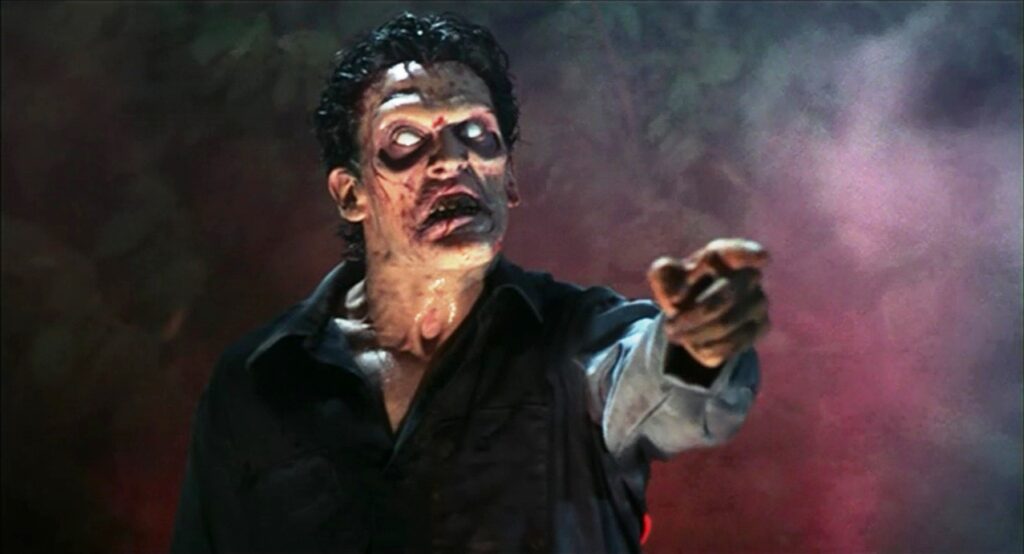
1. Evil Dead II (1987)
The Evil Dead put Raimi on the map as a filmmaker to watch. Thanks to his ability to take a micro-budget and turn out a film that utilized every cent of its $375,000. It’s a classic of the genre. But its 1987 sequel, Evil Dead II, has always stood out more to me. You see even more of Raimi’s sensibilities shining through, and he doesn’t merely repeat himself with the follow-up. Its directed by Raimi from a screenplay he co-wrote with Scott Spiegel. Evil Dead II sees the return of Bruce Campbell’s Ash Williams. He is vacationing with his girlfriend at a remote cabin in the woods. Soon, he discovers an audio tape, and once its ancient texts are read, it results in demons being unleashed during their romantic getaway.
The Evil Dead played things more as straight horror. Although Raimi was keenly aware that the film had moments of dark humor that could be expanded upon. Evil Dead II doubles down on the comedy. Also throws in its fair share of splatter moments to keep the horror hounds happy. It’s not easy to balance comedy with horror. But Raimi is an expert at it as he’s able to turn some pretty sick and gory moments into situations worthy of laughs.
It’s all a bit absurd, but it’s directed with immense skill and continues the evolution of his kinetic style as the camera. Its movements feel like a character in and of itself. Another wise choice was to expand on Campbell’s role as Ash Williams. Giving him many opportunities to engage in physical comedy. While beginning his journey to iconic status as an unconventional, but convincing, action star. In all actuality, The Evil Dead and Evil Dead II make for a perfect double-feature. But it’s the sequel that truly showcases Raimi’s ability to blend genres effortlessly and deliver a film that never lets up from one splattery perfect moment to the next.
Send Help opens in theaters nationwide this Friday.

![‘Pet Sematary: Bloodlines’ Is Just Dead On Arrival [REVIEW]](https://www.thathashtagshow.com/wp-content/uploads/2023/10/project_20231009_1142369-01-440x264.png)



 That Hashtag Show
