
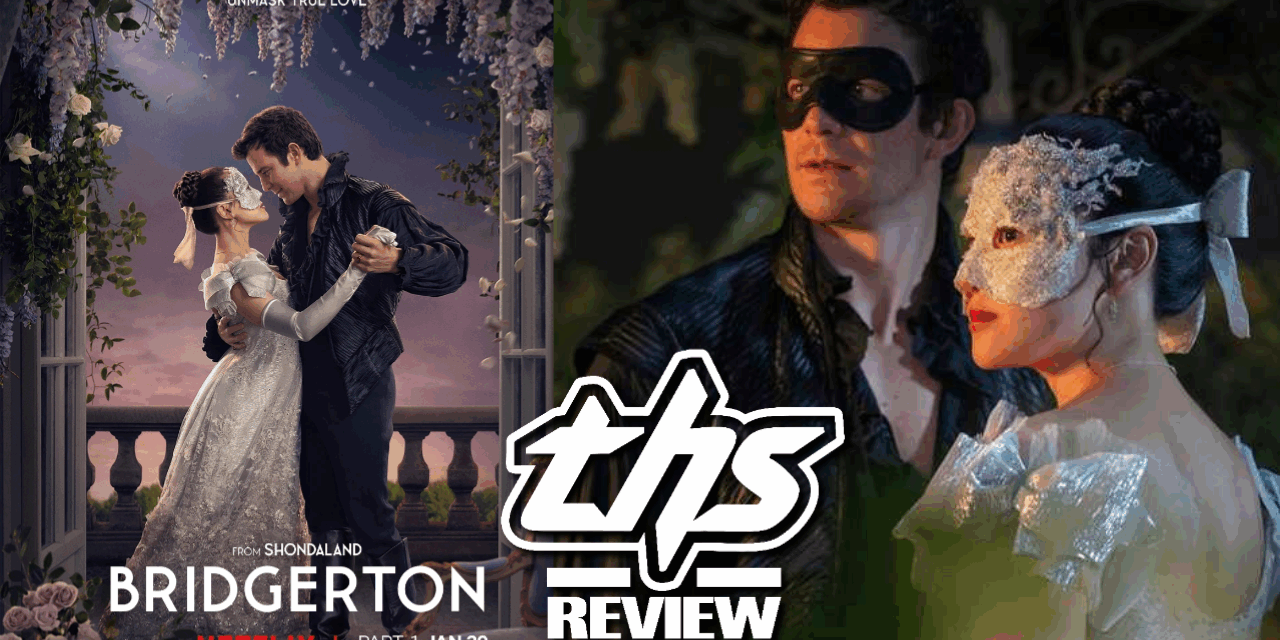
Netflix’s Bridgerton Season 4 arrives carrying an impossible amount of expectation, especially for book fans who have been waiting patiently (and loudly) for Benedict Bridgerton’s Cinderella-inspired romance with Sophie Beckett/Baek. From the very first moments of episode one, the show makes it clear this season is not interested in playing it safe. This is a different Bridgerton, whether that’s a good thing or not depends on where you’re looking.
Bridgerton Going Downstairs: A Bold Shift in Perspective
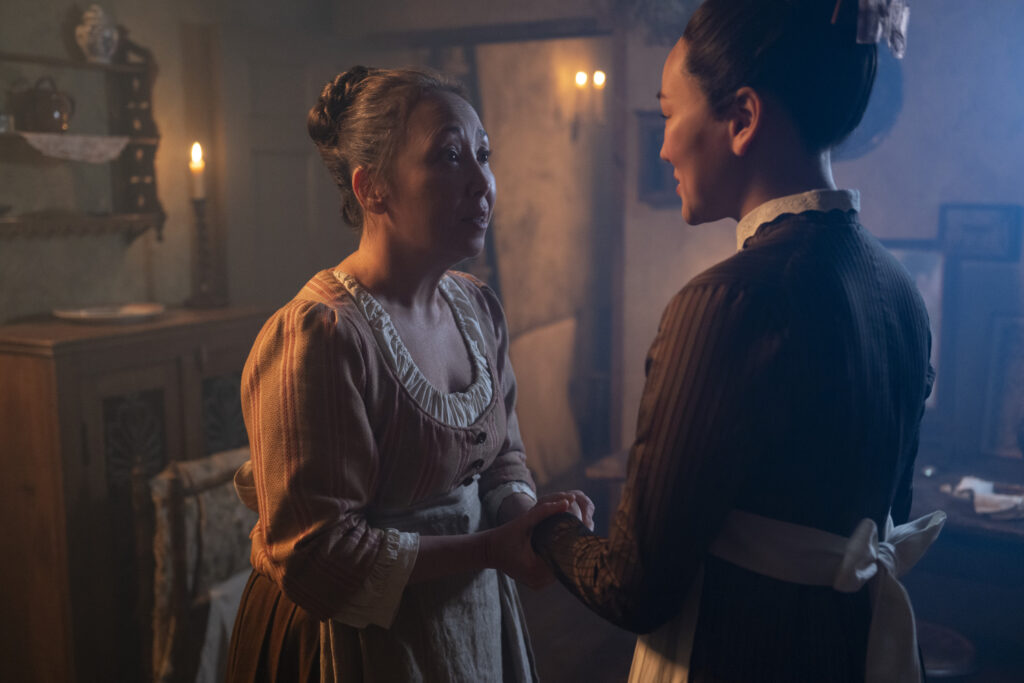
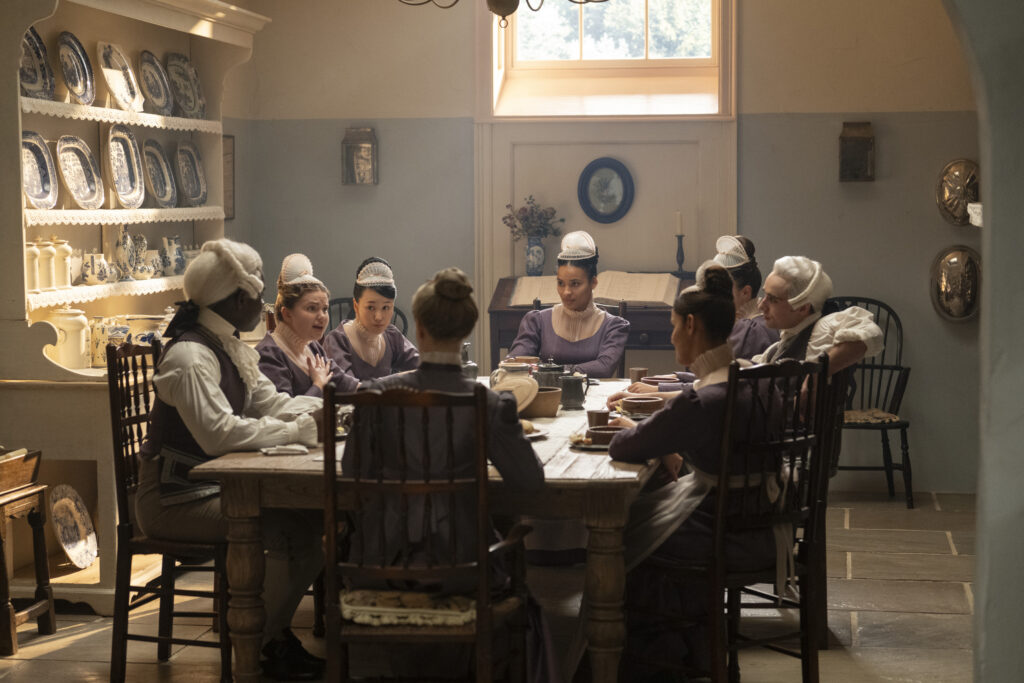
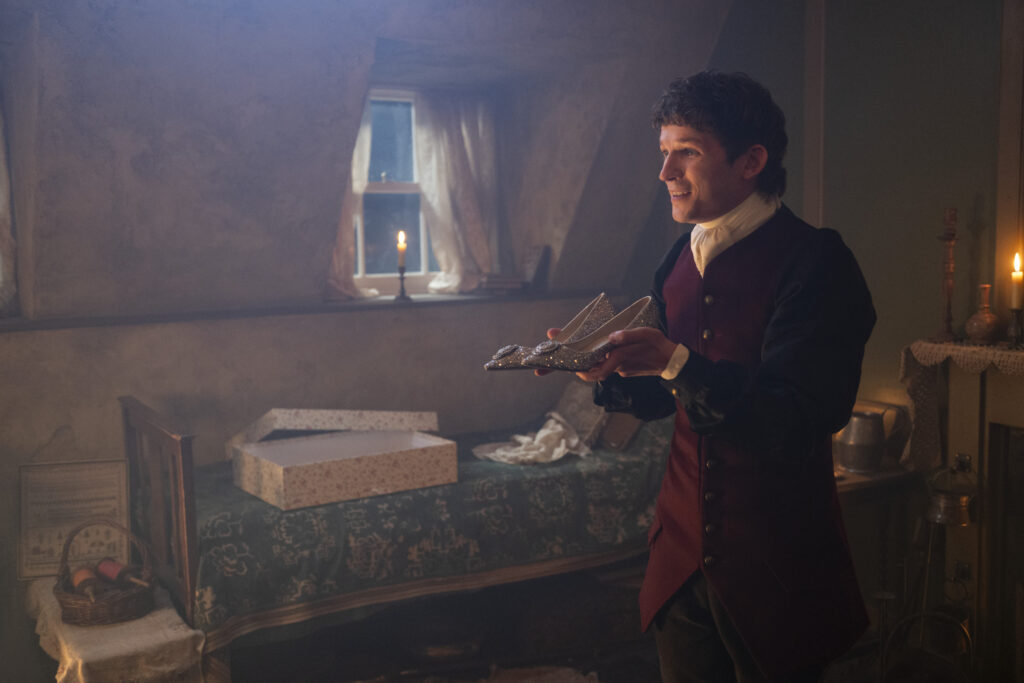
Right out of the gate, Season 4 flips the familiar Bridgerton formula on its head by bringing viewers downstairs. For the first time, the series meaningfully centers on the staff and working class, expanding its glossy Regency fantasy into a more layered and inclusive world. At first, it’s jarring and almost confusing, but the choice quickly reveals its purpose. Sophie’s story is rooted in servitude, and this shift in perspective not only makes narrative sense but also introduces a storytelling tool that the show has never fully committed to before.
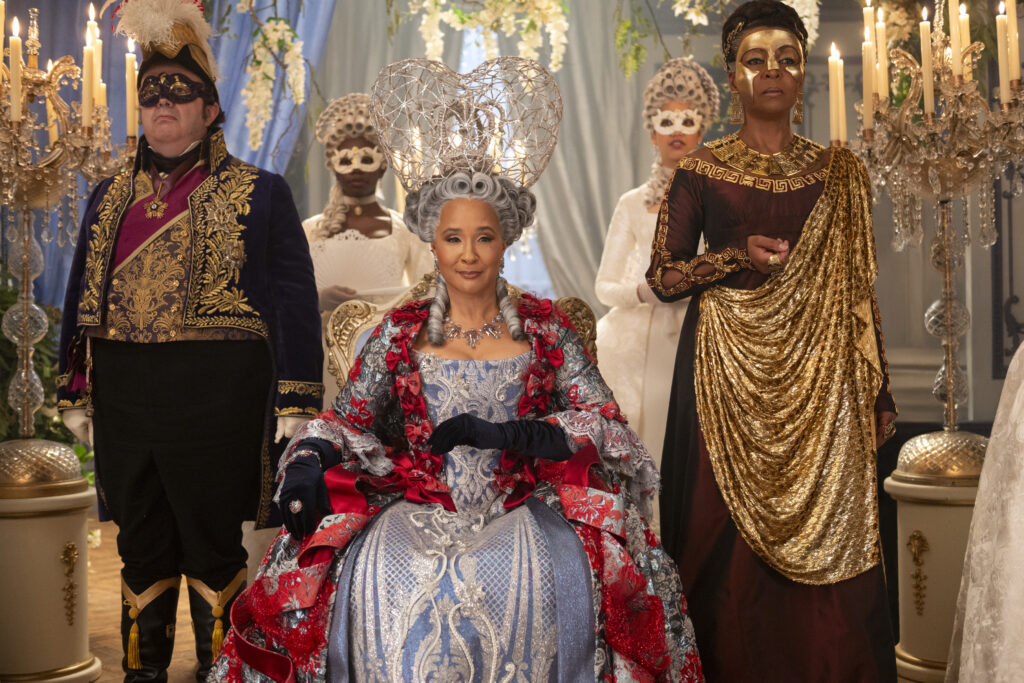
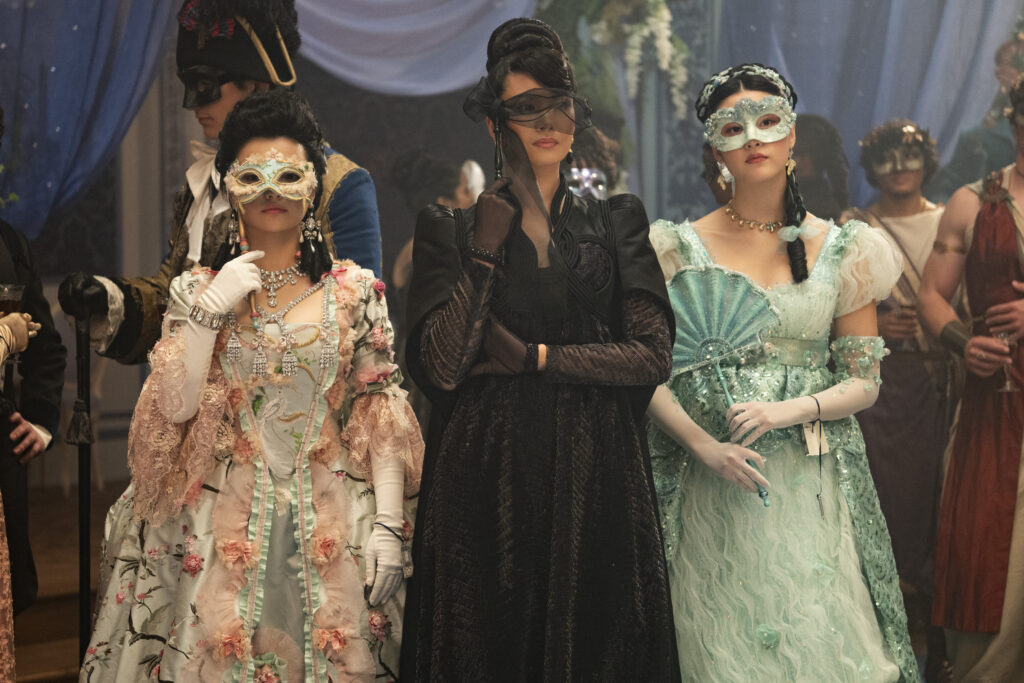
Visually, the season opens bigger and bolder than ever with Violet Bridgerton’s Masquerade Ball. The costumes abandon strict Regency accuracy entirely and lean hard into fantasy, spectacle, and vibes. And honestly? Good. Bridgerton is at its best when it stops pretending to be historically precious and fully commits to being a beautiful, ridiculous dream.
The first four episodes also quietly expand representation—more visible disability inclusion, queer background characters, and varied relationship dynamics fill out the world in subtle but meaningful ways. All of it fits naturally within Benedict’s orbit. He’s the spare, the artist, the one who doesn’t care about hierarchy or labels, and the expanded social lens feels earned through him.
Familiar Faces, Mixed Results
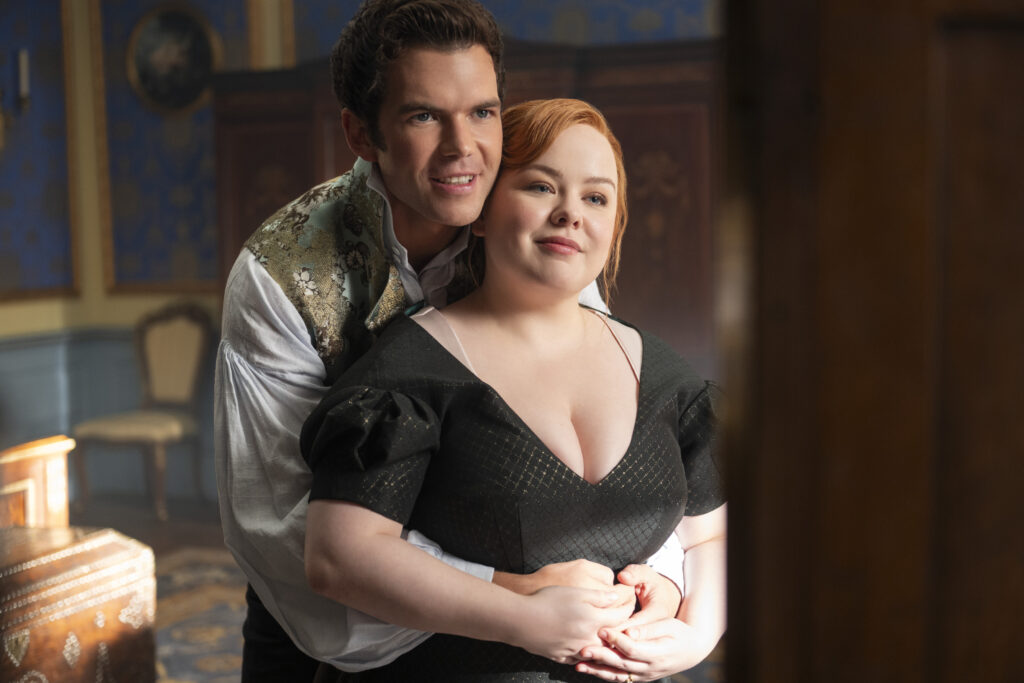
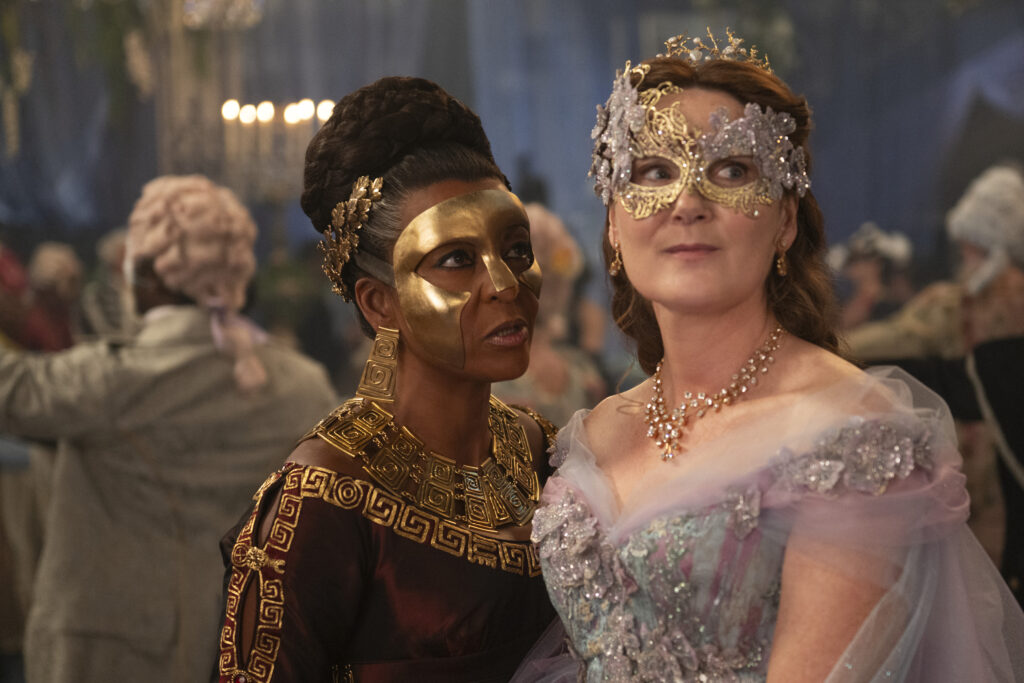
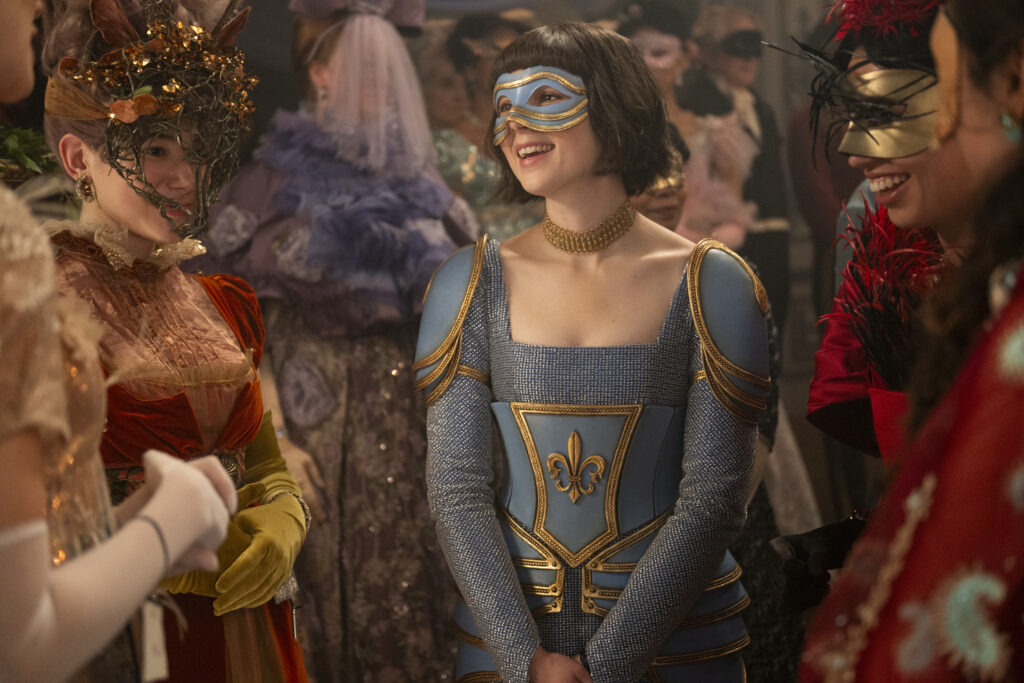
Some familiar storylines fare better than others. Penelope and Colin remain a reliable bright spot, navigating married life and the fallout of Penelope’s Lady Whistledown reveal with plenty of heat. They love a carriage hookup and refuse to let you forget it. Queen Charlotte is in peak form. She continues to be commanding, intimidating, and fully prepared to burn everything down if displeased. Violet Bridgerton’s expanded storyline is overdue and delicious. Francesca’s, however, continues to fall flat.
Francesca and John’s relationship exists almost entirely in uncharted territory, as their personal love story was never fully explored in the books. The show labels their marriage a “quiet love” instead of the sweeping, fantastical, dramatic love of her siblings. In practice, it doesn’t read as quiet; it reads as disconnected. Their dynamic feels emotionally distant, like two people who struggle to communicate, let alone be intimate. Francesca’s affection for John feels thin, and that framing raises red flags about where her story may be headed, which makes me concerned.
Francesca, “Quiet Love,” and a Growing Concern
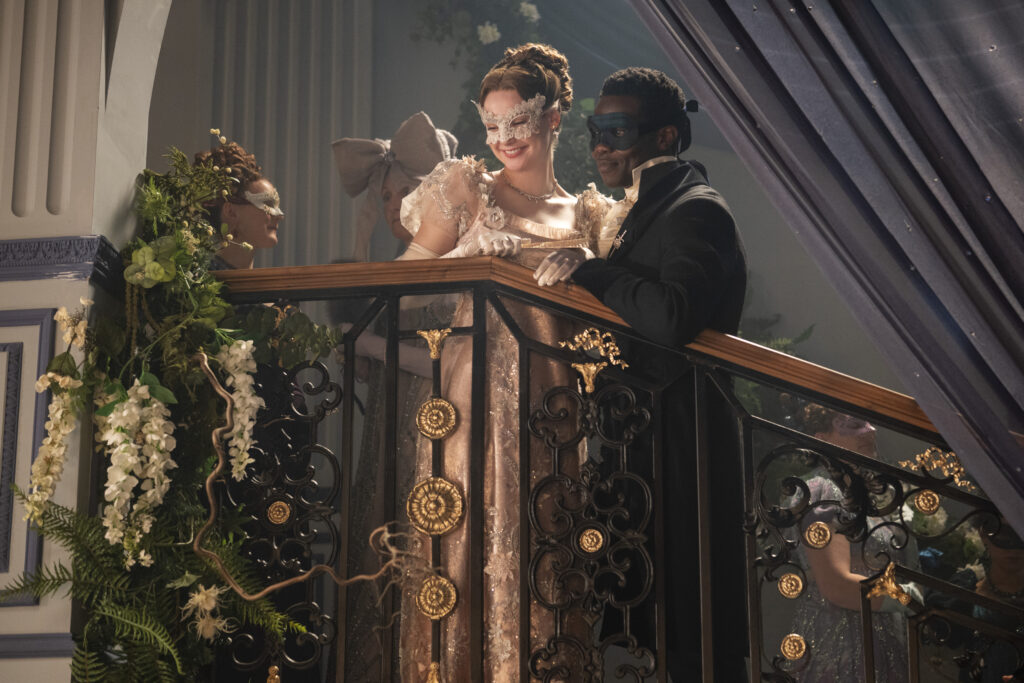
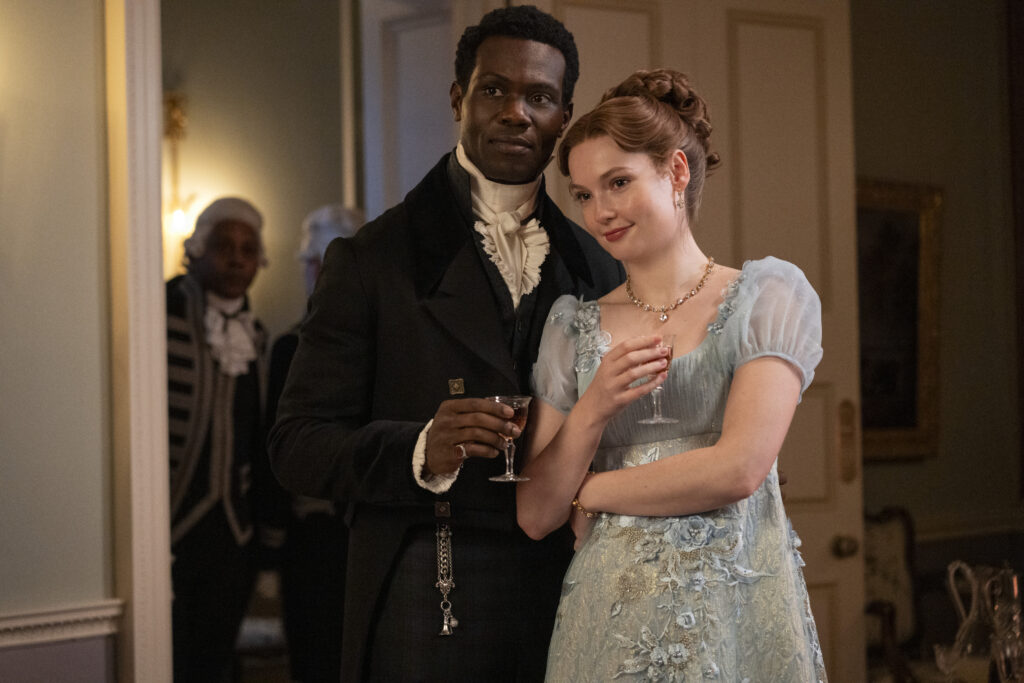
Francesca and John’s relationship doesn’t read as soft or settled—it reads as unhappy. By repeatedly framing their marriage as “fine” and “quiet,” the show seems to be signaling that this is simply the wrong love for her. And if that’s the case, the only way for Francesca to realize it would be by exploring feelings with someone else, which opens the door to a storyline this fantasy does not need: infidelity.
What makes this especially frustrating is how it undercuts one of the most meaningful ideas in Francesca’s book: that some people get more than one great love in their lifetime. Both loves can be real, profound, and complete. Love doesn’t have to be rewritten as a mistake to make room for another. You can love two people grandly, at different times, without betraying either of them.
Bridgerton is escapism. It promises sweeping romance, not real-world messiness. Cheating is not romantic. Infidelity isn’t sexy. Francesca deserves a love that feels whole, intentional, and fulfilling without having to burn everything down or rewrite her first love as a failure to get there.
The Biggest Problem: Benedict and Sophie
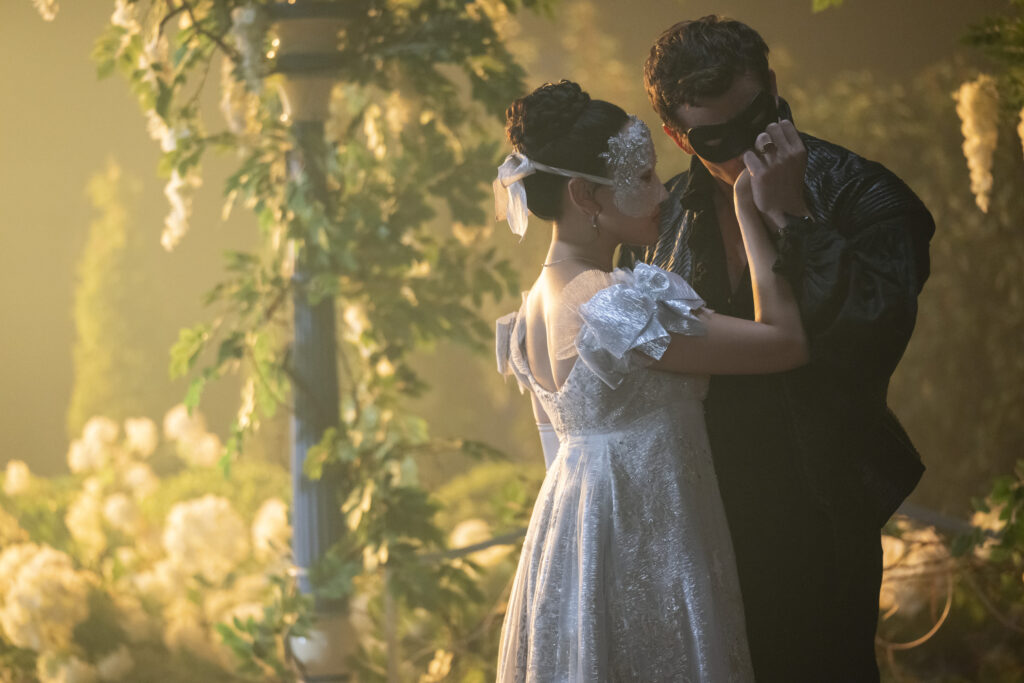
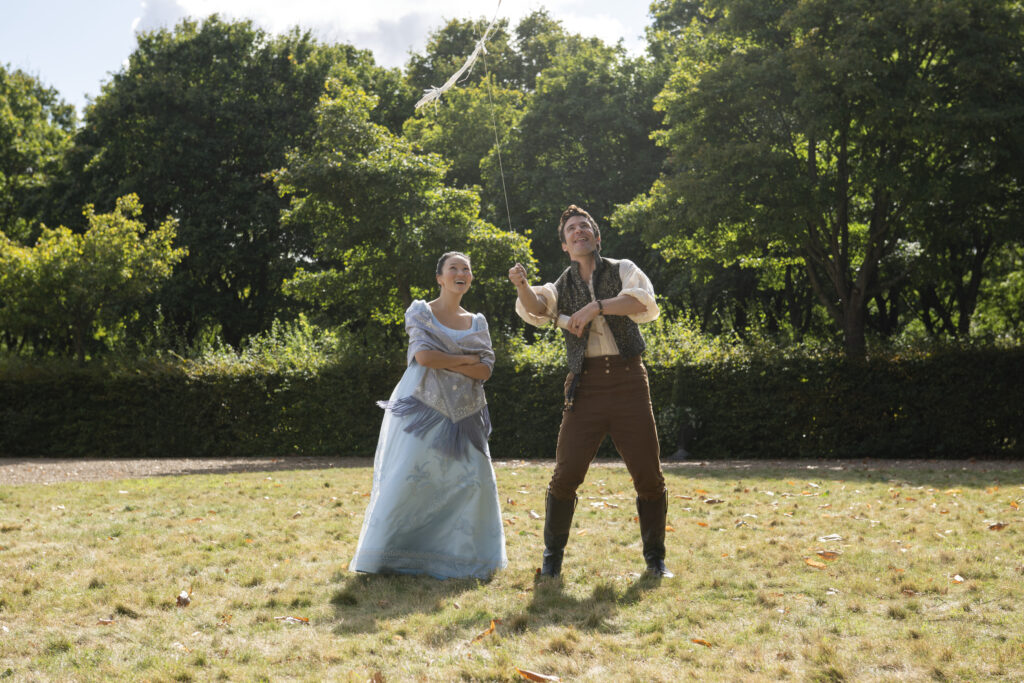
Unfortunately, the biggest disappointment of the season sits right at its center: Benedict and Sophie. You know, the love story we all came here for. I had to watch the season multiple times to make sure I wasn’t missing something. And the hardest part to admit is that it simply doesn’t work. Despite solid performances on an individual level, there is no spark between them. No heat. No pull. And no sense that these two people can’t breathe when they’re in the same room.
What should feel like yearning with long looks, stolen touches, restrained desire, all comes across as staged and oddly distant. Every interaction feels overly choreographed, as if we can see the director just off camera whispering, “Now look at each other. Now kiss.” Instead of being swept up in the romance, you’re constantly aware that you’re watching a performance.
This is especially jarring in a series that has previously delivered undeniable chemistry. Bridgerton has set its own standard for what grand romance looks and feels like, and Benedict and Sophie fall painfully short of it. Benedict has more chemistry with his sister, Eloise, or even the handsome footman than with Sophie. For a show built entirely on passion, longing, and emotional payoff, asking the audience to invest in a love story without spark isn’t just disappointing, it’s a fundamental misstep.
When the Music Works Harder Than the Romance
The music, as always, is flawless. Bridgerton has made a name for itself with orchestral pop covers that perfectly set the scene and mood, and Season 4 is no exception. Taylor Swift’s “Enchanted” hits all the right notes for Benedict and Sophie’s Cinderella-inspired story. Then, Olivia Rodrigo’s “bad idea right?” hits in episode four and carries the emotional weight of the stairwell scene.
But here’s the problem: when the soundtrack is doing all the work, it becomes a distraction rather than an enhancement. The scene with Benedict and Sophie is supposed to be sexy and charged with chemistry, but the music ends up carrying the tension that the actors themselves fail to create. A great soundtrack can elevate a moment, but it can’t replace the spark that the story and characters are supposed to deliver.
With only four episodes released, Season 4 isn’t beyond saving. But for now, its most anticipated love story feels surprisingly hollow. I’m hopeful the second half delivers, but hope is doing a lot of work right now.



![‘South Park: Snow Day’ Brings 3D Action To South Park In 2024 [Trailer]](https://www.thathashtagshow.com/wp-content/uploads/2023/08/Snow-Dayy-440x264.jpg)
 That Hashtag Show
