
Disney’s Zootopia 2 is upon us, and it has already garnered solid reviews (94 percent on Rotten Tomatoes). It is also expected to light the box office on fire with an estimated $500 million global opening (with $200 million of that potentially coming from China alone). While the reception for Zootopia 2 is glowing, Disney animated sequels (non-Pixar) haven’t always been met with the best reception, and many were sent straight to video. This has given some of them a bad reputation, but there are some worth your time, and with Zootopia 2 set to join the ranks as one of the best, this felt like the right time to dive into the five best Disney animated sequels ever.
Honorable Mention: Return to Never Land (2002)
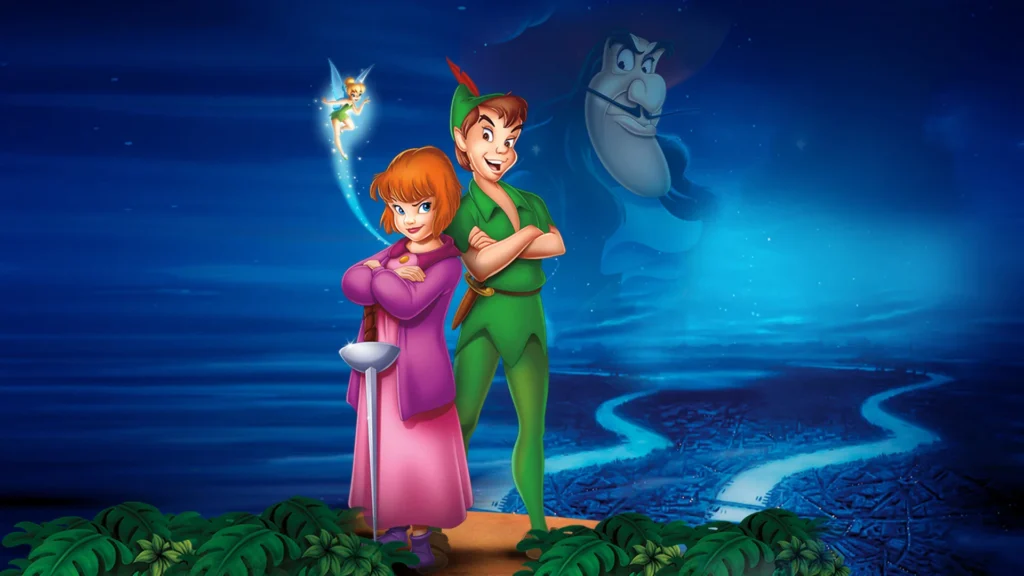
During a time when many Disney animated sequels were debuting on home video, 2002’s Return to Never Land, the sequel to 1953’s Peter Pan, was given the big screen treatment and proved to be a worthy sequel, even if Disney’s knack for creating memorable songs was largely missing from this tale. Directed by Robin Budd from a screenplay by Temple Matthews, Return to Never Land follows Jane (Harriet Owen), Wendy’s (Kath Soucie) daughter, who doesn’t believe in her mother’s stories about Peter Pan (Blayne Weaver) and Neverland.
However, after being mistaken for Wendy by one of Captain Hook’s (Corey Burton) henchmen, Jane is kidnapped and taken to Never Land, with her only hope of escape being to believe in the stories of this magical place to return home. The film’s spin with Jane proves to be interesting. She doesn’t have time for anything that Never Land has to offer, whether it’s the antics of The Lost Boys or any of the whimsy that Wendy herself had held dear over the years. There is effort in emotionally developing Jane and not merely making her a carbon copy of her mother, as she has to work to discover the joy of embracing her imagination and breaking down some of her cynical walls.
Peter Pan and Captain Hook still prove to be a fun, heroic, and villainous pair, while the animation, given the film’s $20 million budget, is rich and modern for the time, which makes it look like a proper theatrical release rather than a Disney sequel that may have been meant for home video before hitting the big screen. It’s not completely on the level of its predecessor, and some rather peculiar subplots might be a little too dark for kids (Tinker Bell’s light begins to fade due to Jane’s initial refusal to believe), but it’s still a fun sequel that at least tries to capture the joy of the first movie.
5. The Lion King II: Simba’s Pride (1998)
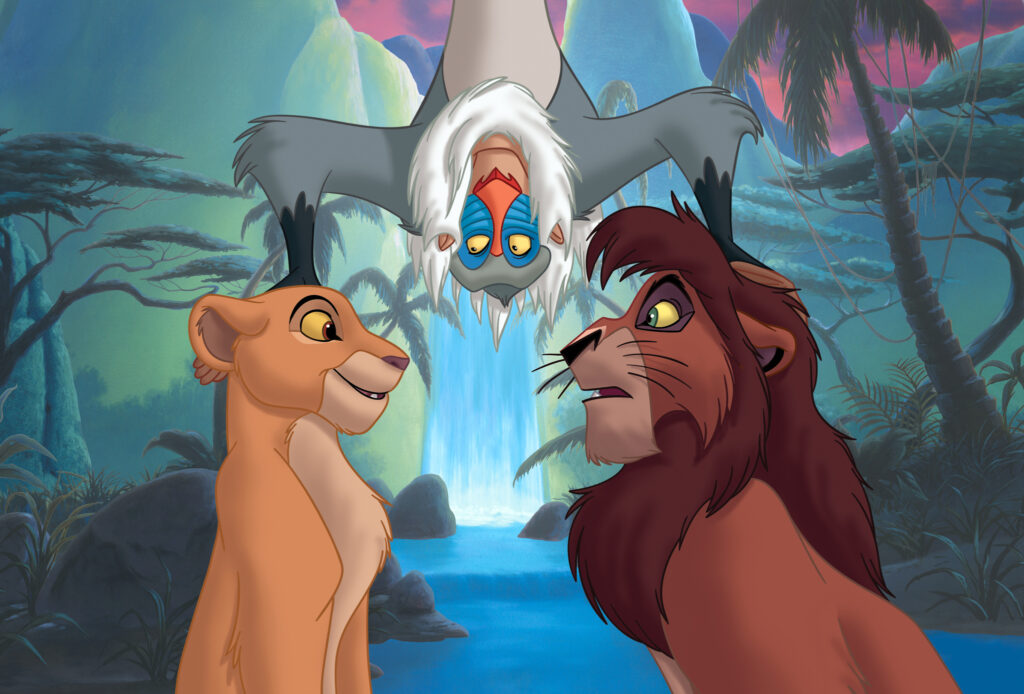
The Lion King is one of Disney’s greatest crowning achievements, so a sequel would be hard-pressed to live up to its magic. While The Lion King II: Simba’s Pride doesn’t reach the grandiose levels of its 1994 predecessor, it’s a satisfying follow-up that actually goes to some interesting places with its story. Directed by Darrell Rooney from a screenplay by Flip Kobler and Cindy Marcus, The Lion King II: Simba’s Pride follows Simba (Matthew Broderick) and Nala’s (Moira Kelly) daughter Kiara (Neve Campbell), who falls in love with Kovu (Jason Marsden), an exiled lion from a pride that was loyal to Scar (Jeremy Irons).
The pair have to work to overcome Simba’s prejudice against the pride while also trying to foil an evil plot by Kovu’s mother, Zira (Suzanne Pleshette), if they hope to be together. While The Lion King drew inspiration from William Shakespeare’s Hamlet, Simba’s Pride goes the Romeo and Juliet route, featuring two star-crossed lovers whose families are making it difficult for them to embrace true love. It proves to be a solid way to frame the story, making for a more compelling narrative than most Disney straight-to-video efforts. The film’s themes of going after true love and how that love can overcome prejudice are moral life lessons that are essential for younger audiences, but the film also doesn’t lose its humor with Timon (Nathan Lane) and Pumbaa (Ernie Sabella) returning to liven up the mood when necessary.
The animation is relatively strong, and it helps that most of the primary voice cast from the first film returned for the sequel to solidify its connection to its predecessor. As new additions, Campbell and Marsden help sell the forbidden romance of their two characters, which gives The Lion King II: Simba’s Pride emotional resonance. The songs don’t reach the heights of the first movie, and it’s missing the big-screen power of its predecessor, but it proves to be a sequel that doesn’t just serve the kids, as it’s a broader story that has something for all ages to enjoy.
4. Aladdin and the King of Thieves (1996)
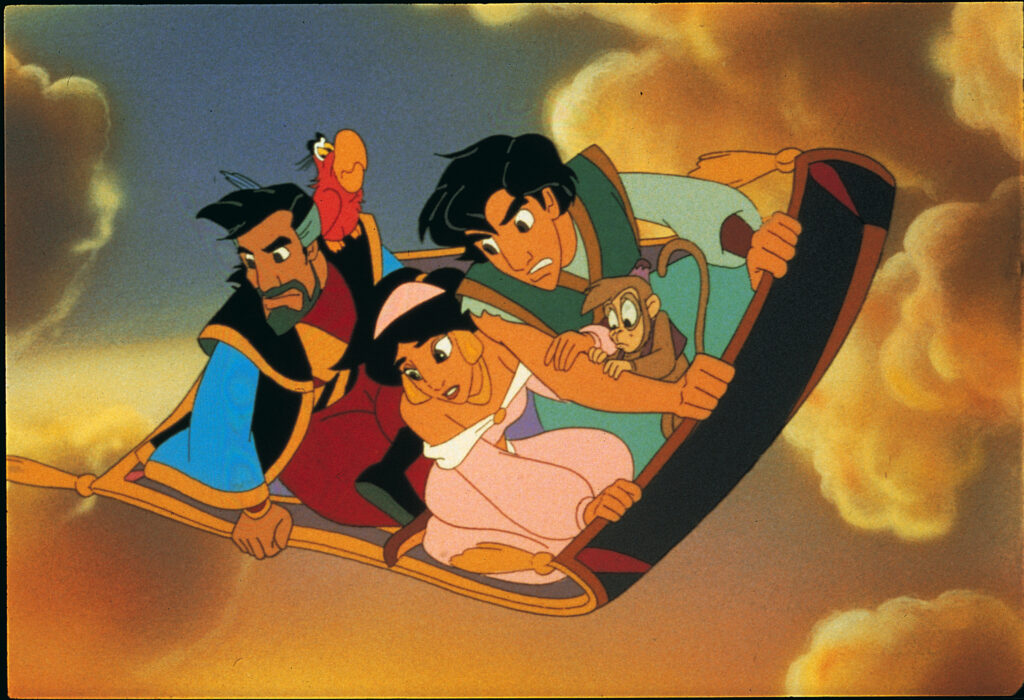
When 1994’s The Return of Jafar was released, it was notable as being Disney’s first straight-to-video sequel, but it also proved to be a lackluster start. The sequel to 1992’s Aladdin was essentially the planned first five episodes of the Aladdin animated TV series that were combined to make it a feature-length film. That’s why the initial sequel feels like a messy agglomeration, although it did remarkably well financially (selling 15 million VHS tapes at the time of its release and earning $300 million). The success of The Return of Jafar likely made a follow-up a no-brainer, leading to the release of Aladdin and the King of Thieves, which is a marked improvement over the second movie.
Directed by Tad Stones from a screenplay by Mark McCorkle and Robert Schooley, Aladdin and the King of Thieves sees Aladdin (Scott Weinger) and Princess Jasmine (Linda Larkin) preparing to get married, only to have their nuptials interrupted by the Forty Thieves, who are attempting to steal a magical staff. In the midst of this, The Oracle (CCH Pounder) reveals to Aladdin that his father, Cassim (John Rhys-Davies), is very much also alive and trapped within the world of the Forty Thieves as their leader. One of the best things about King of Thieves is that Robin Williams returns to voice The Genie after sitting out for The Return of Jafar. Williams had a well-publicized dispute with Disney over the use of his voice during the marketing campaign of Aladdin and was replaced by Dan Castellaneta, best known for voicing Homer Simpson and others on the long-running animated series, The Simpsons.
While Castellaneta was a worthy replacement, Williams’ signature high-energy was greatly missed after the first movie, and his vibrancy makes the third installment feel like a more legitimate follow-up. The reunion between Aladdin and his father is well-handled as it brings up questions of family and loyalty while being wrapped up in a fun adventure involving a lost treasure that will impact both of their lives moving forward. Like most of the Disney straight-to-video sequels, it doesn’t reach the level of the first movie, but it feels like a proper conclusion to the Arabian Nights-inspired story that began in 1992.
3. The Rescuers Down Under (1990)
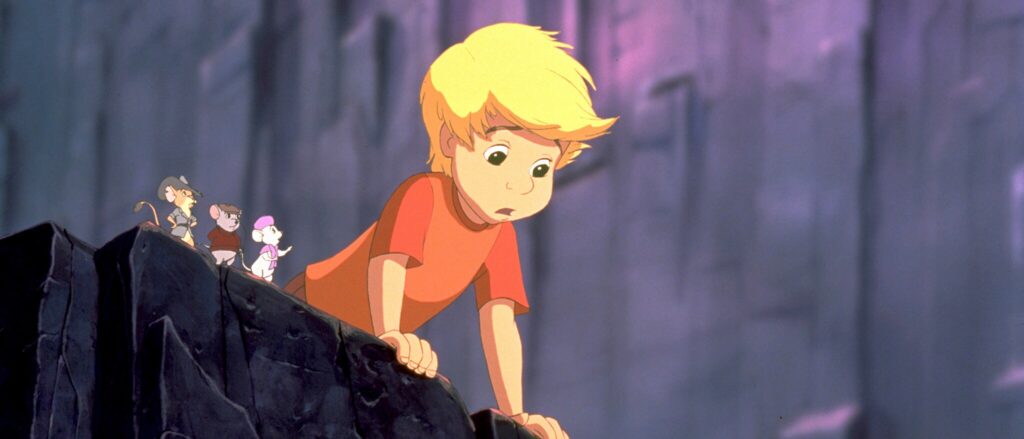
The Rescuers Down Under is a worthy sequel because it doesn’t follow the same beats as its predecessor. The Rescuers, released in 1977, is a more quiet tale featuring the Rescure Aid Society of Bernard and Bianca having to rescue a 6-year-old orphans from treasure hunters, the sequel feels grander and more epic in its execution as the pair travel to the Australian outback to save a young boy named Cody (Adam Ryen) from an evil poacher who also wants to capture an endangered golden eagle.
Directed by Hendel Butoy and Mike Gabriel from a screenplay by Jim Cox, Karey Kirkpatrick, Byron Simpson, and Joe Ranft, The Rescuers Down Under quietly made history as the first feature film to be created digitally by using the Computer Animation Production System (CAPS). The use of this system shaped how Disney would make their animated efforts moving forward and made this sequel’s animation feel rich, realistic, and vibrant at the time of its release. The movie also features exhilarating action sequences, particularly during the film’s flight scenes, and it showcases one of Disney’s more underrated villains in Percival C. McLeach, who is nefariously brought to life by the vocal talents of George C. Scott.
In all honesty, The Rescuers Down Under feels like it was traveling down the Golden Age of Disney road that began in 1989’s The Little Mermaid with animation that pushed boundaries, a story full of adventure, a compelling villain, and fun side characters (Wilbur the Albatross, voiced by John Candy, and Jake, the charismatic mouse voice by Tristan Rogers). As Disney sequels go, with this one being worthy enough to get the big screen treatment, The Rescuers Down Under deserves more credit as a solid follow-up to its predecessor.
2. Fantasia 2000 (1999)
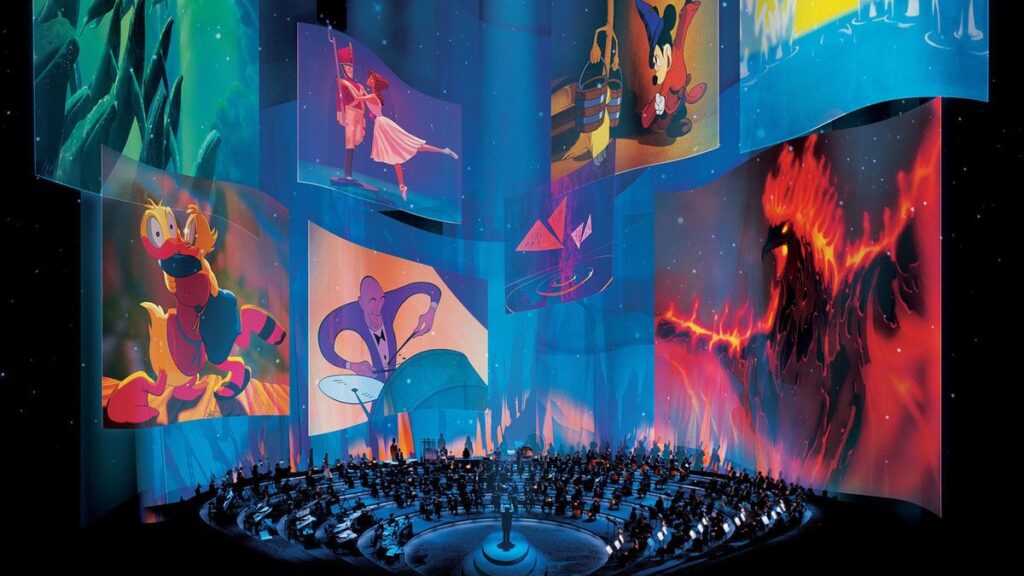
Getting a sequel made to Fantasia, released in 1940, took several unsuccessful attempts, but it feels like many of the stops with the sequel worked in its favor so that it could be released in the best visual format. Featuring the directing talents of Don Hahn, Pixote Hunt, Hendel Butoy, Eric Goldberg, James Algar, Francis Glebas, and Paul and Geatan Brizzi, Fantasia 2000 follows the lead of its predecessor and features animated segments set to various classical music. The music is superfluous while the animation proves to be breathtaking across all of its segments, even rivaling some of the segments featured in the 1940 original. “Rhapsody in Blue” in particular is a true visual and musical feast, while all of the segments featured are aided greatly by the IMAX format.
The movie was released in 75 IMAX theaters globally and became the first major Hollywood film to be released in IMAX while also becoming the first feature-length animated film released in the groundbreaking format. Some of the celebrity introuctions, including Steven Martin, Quincy Jones, Bette Midler and more, feel like cheap ways to maybe boost box office and interest from those who may not have been interested in a musical anthology follow-up but as a sequel to one of Disney’s masterpieces, Fantasia 2000 more than holds its own by capturing the magic and awe of of its predecessor.
1. Ralph Breaks the Internet (2018)
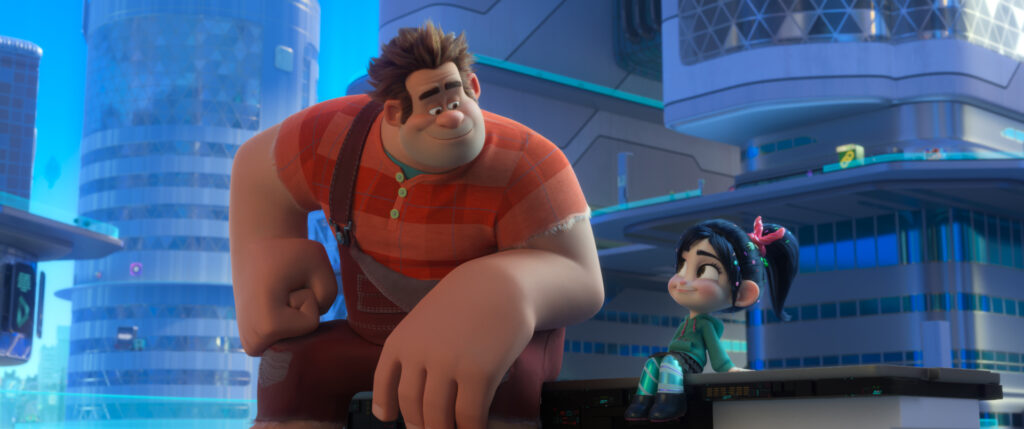
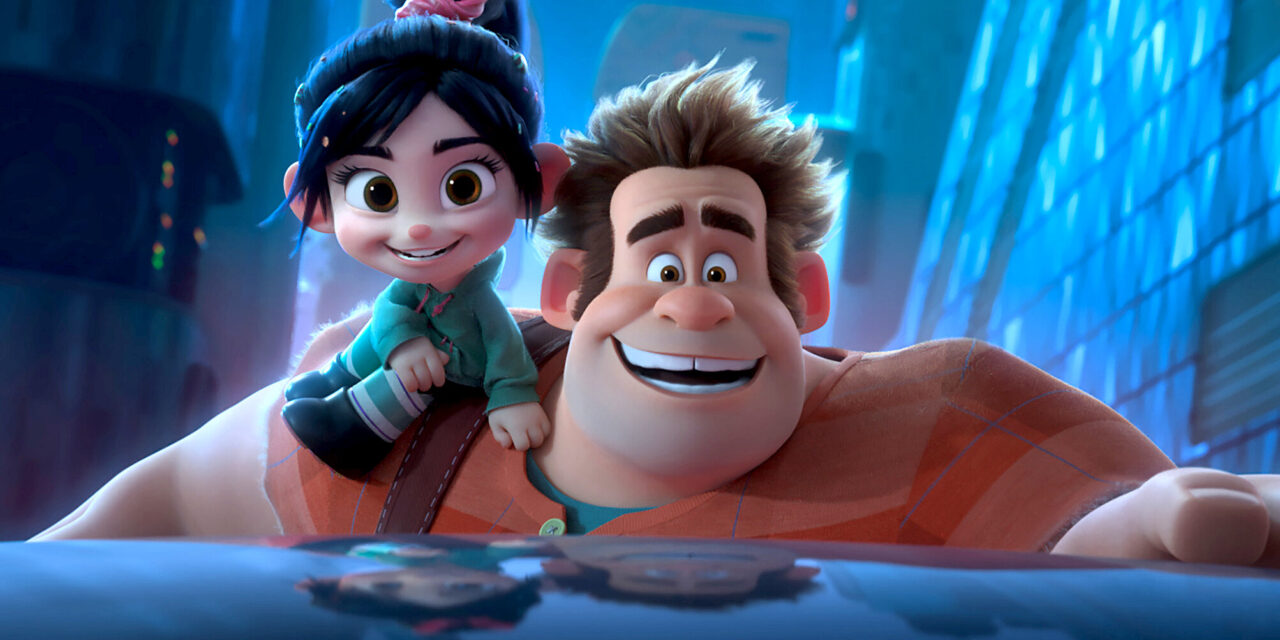
Wreck-It Ralph was a pleasant surprise when it was released in 2012, thanks to its mix of satirical humor and heart that made it entertaining for kids and adults who were also old enough to be keenly aware of all of its references. A sequel was inevitable, given the financial and critical success of the first movie, and thanks to a screenplay by Phil Johnston and Pamela Ribon that adds more satirical charm to the sequel as well as its visually impressive rendering of the internet as its very own city. In the film, Ralph (John C. Riley) and Vanellope (Sarah Silverman) travel into the internet to obtain a replacement for the Sugar Rush cabinet’s broken steering wheel before the game can be disposed of by Mr. Liwak (Ed O’Neill).
The sequel maintains the pop culture awareness of the first movie by including cameos from other Disney properties (the first 12 Disney princesses come together here with the inclusion of their voice actors, save for three), and it’s actually a notch better in terms of delivering on hilarious moments, but it’s the film’s heart and deeper themes that resonate. The best Disney vehicles tackle ideas that kids and adults can relate to, and this dives into the notion of growing up and the evolution of friendships that may lead to some of us growing apart because the pursuit of our individual dreams puts us on different paths. At its core, Ralph Breaks the Internet is about the complexities of friendship, which leads to heartfelt messages that are handled with care and sensitivity.
Also, knowing that the target audience is tied to a computer screen more than usual, the movie also sends up internet culture and isn’t afraid to even address the negative side of living too much of your life online. Ralph Breaks the Internet finds a balance between humor and sincerity that makes it not only a worthy sequel but one that is slightly better than its predecessor.
Zootopia 2 opens in theaters nationwide on Wednesday.
For more on Movies, make sure to check back to That Hashtag Show.



 That Hashtag Show
