
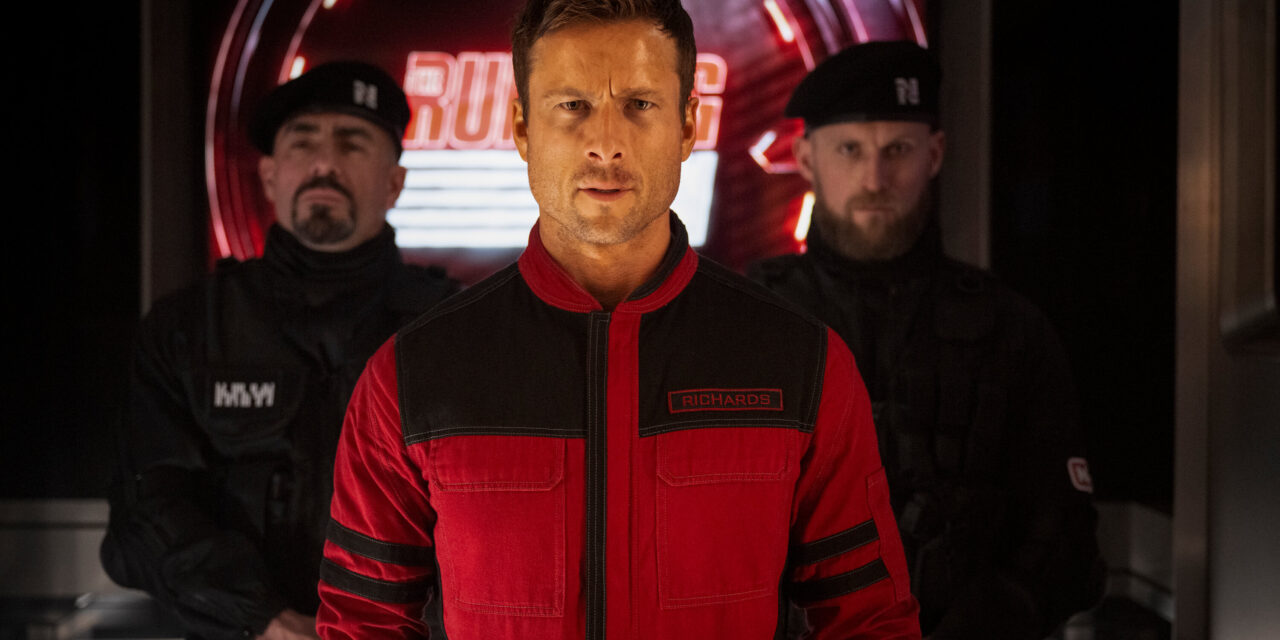
Box Office analysts were expecting a closer fight for the number one spot between The Running Man and Now You See Me: Now You Don’t. But the latter film pulled a rabbit out of a hat and made it an easy first-place finish. The Glen Powell-led dystopian action film grossed $16.5 million over the weekend for second place. While the Now You See Me sequel earned $21 million to finish first.
The news was even more troubling for The Running Man on the global front with a $27.7 million finish. Compared to the $75.2 million worldwide opening haul of Now You See Me. With Glen Powell attempting to cement himself as a successor to Tom Cruise and a true movie star, this wasn’t the ideal finish. So now one has to ask, where did this one go wrong?
SIGNS BEFORE ITS THEATRICAL RELEASE
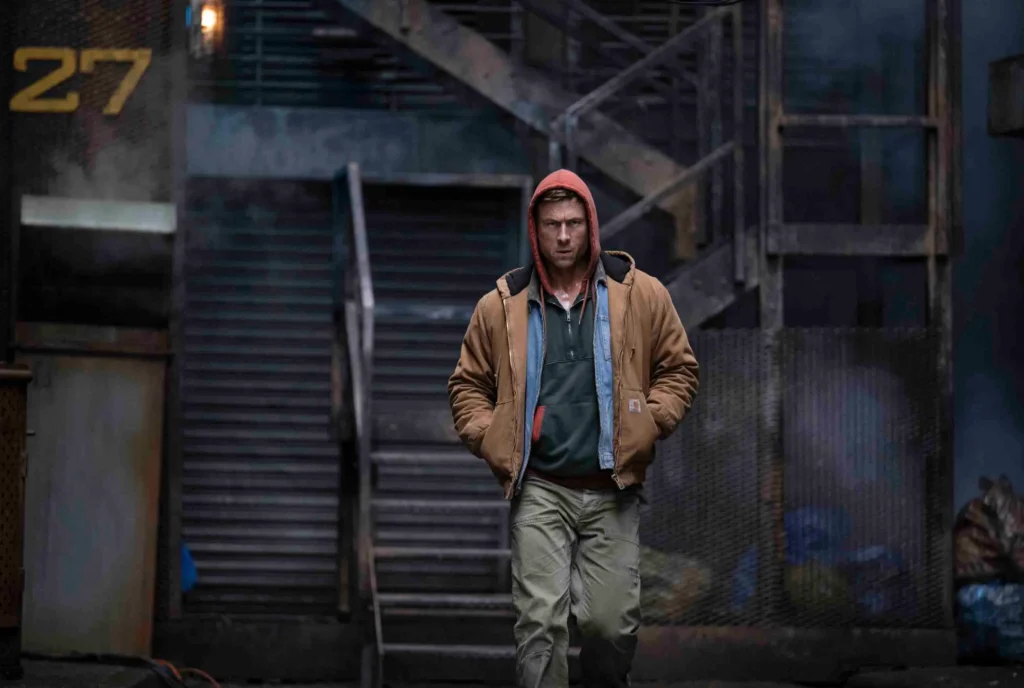
There were signs heading into the weekend that The Running Man would debut on the softer side when it hit box office tracking. The opening was expected to be between $18-25 million, and it never really budged from that figure. Once reviews hit Rotten Tomatoes and they were more mixed than universally glowing (currently 65 percent on the aggregator site). The news didn’t get much better for the Edgar Wright few. Now You See Me: Now You Don’t took an early lead on Thursday preview night and never let go.
Oddly enough, The Running Man thought it was getting away from its true competition, Predator: Badlands, when it shifted a week to its current date. But it appears that the change didn’t matter at all. Now You See Me: Now You Don’t had more franchise appeal. As well as a more family-friendly PG-13 rating (The Running Man is R-rated), and a more solid spread across all demos (more on that later). The Running Man even had the benefit of IMAX and big format screens, while Now You See Me did not.
Lastly, the true trouble here is opening gross versus budget. The Running Man is a hefty $110 million minus marketing spend. While the magic sequel is a more reasonable $90 million. Even with the Thanksgiving holiday approaching, which should make potential drops less drastic, The Running Man is in trouble.
“THE RUNNING MAN’S 80s APPEAL”
One reason given for the soft opening is the brand appeal of a project that originated in the ’80s. The Running Man is based on the 1982 novel by Stephen King. It has already been given the film treatment starring Arnold Schwarzenegger in 1987. The first iteration strayed a bit from the novel, while this take is more faithful. But that wasn’t much of a selling point for moviegoers. The fact of the matter is, while Schwarzenneger’s film was moderately successful by ’80s standards ($38 million), it wasn’t even the biggest film of 1987 to star the action star. The Running Man hit screens in November of that year. Then Predator debuted that summer and proved to be a bigger hit ($59.7 million domestically, $98.2 million worldwide).
The Running Man has since developed a bit of a cult following in the years since its release. Though it definitely hasn’t entered the pop-culture zeitgeist in the same way Predator did. Since it lacked the proper brand recognition, the film had to next rely on the talent involved to boost interest.
We spoke about how The Running Man would go a long way to prove Powell’s box office potential. Its opening suggests is that Powell may not quite be at the level for his name alone to generate box office dollars. Following the success of Top Gun: Maverick, Anyone but You, and Twisters, there was a rush by the industry to anoint Powell as the next big movie star. Especially with Cruise’s support and endorsement on his side.
DOES GLENN POWELL HAVE THAT STAR POWER?
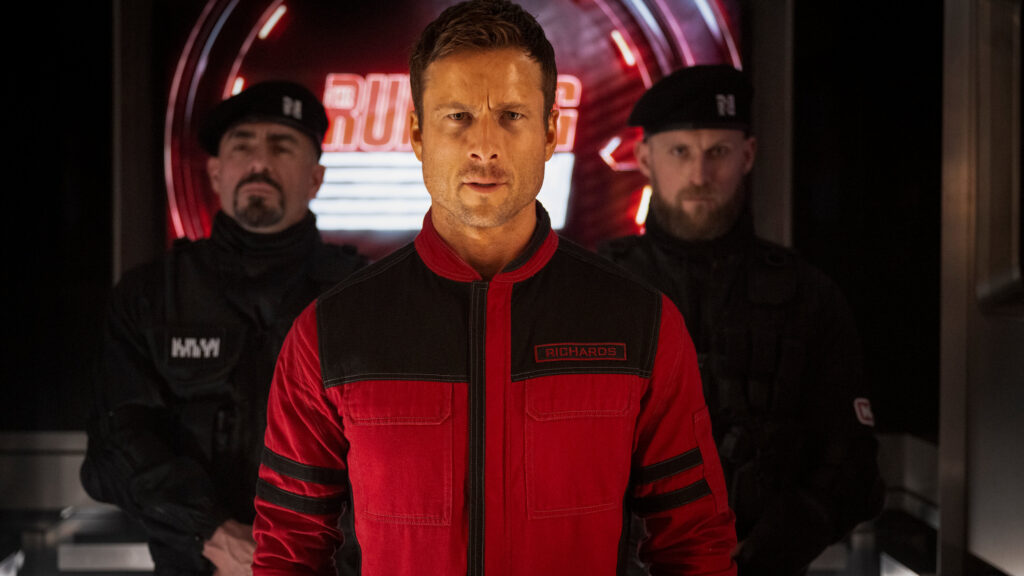
Twisters opened to $81.2 million during the summer of 2024. After that it probably looked like a sure bet that attaching Powell to any IP could make it a winner. As exit polling shows, according to Deadline, Powell wasn’t the top reason for those who chose to check out The Running Man. 55 percent purchased tickets because “it looked fun and exciting.“ While 40 percent checked it out because of its science fiction leanings. Only 35 percent listing Powell as the reason they gave The Running Man a shot. Given Powell’s Austin, Texas beginnings, the movie played well in middle America. Deadline also points out that science fiction films play better on the coasts. That indicates that Powell’s main audience did show up, but it wasn’t enough.
There was also the issue of broader appeal. Now You See Me: Now You Don’t played better with women and appealed to males as well. Making that movie a better date night choice. The Running Man skewed much older, with 47 percent of ticket buyers being men over the age of 25. Potential franchise starters need to capture the younger audience as well as appeal to women. Powell most certainly has their vote, but a dystopian action thriller may not be their ideal genre to catch him appearing in.
THE EDGAR WRIGHT EFFECT
Then there is director Edgar Wright. the British filmmaker who certainly has fans because of his kinetic style and tendency to lend a more satirical bend to his films. There was a lot of weight given to his involvement with the film. But Wright has always been more of a niche filmmaker rather than a household name that can bring a big audience. Looking at some of his other films, some of them haven’t been huge hits, although they are respected. Shaun of the Dead grossed $38.7 million worldwide on a $6 million budget in 2004. The World’s End, released in 2013, pulled in $46.1 million globally on a $20 million budget.
When looking at his films that were made for their potential appeal to a domestic audience, he’s been a mixed bag. 2010’s Scott Pilgrim vs. the World grossed $33.5 million domestically ($51.8 million worldwide) on a $60 million budget. It was a bit of a loss for Universal Pictures until it gained a bigger cult following later. Bigger success came with Baby Driver in 2017. It grossed $107.8 million domestically and $226.9 million globally on a $34 million budget.
Looking at his track record, Wright is a filmmaker with appeal to a certain audience. But it isn’t a name that leads to a big rush from moviegoers. Also, an issue here is that reviews, even those that liked the film, called The Running Man one of his lesser efforts. So even some of his fanbase may have found the movie to be too by-the-numbers for Wright’s standards.
“THE RUNNING MAN” VICTIM OF A REGIME CHANGE?
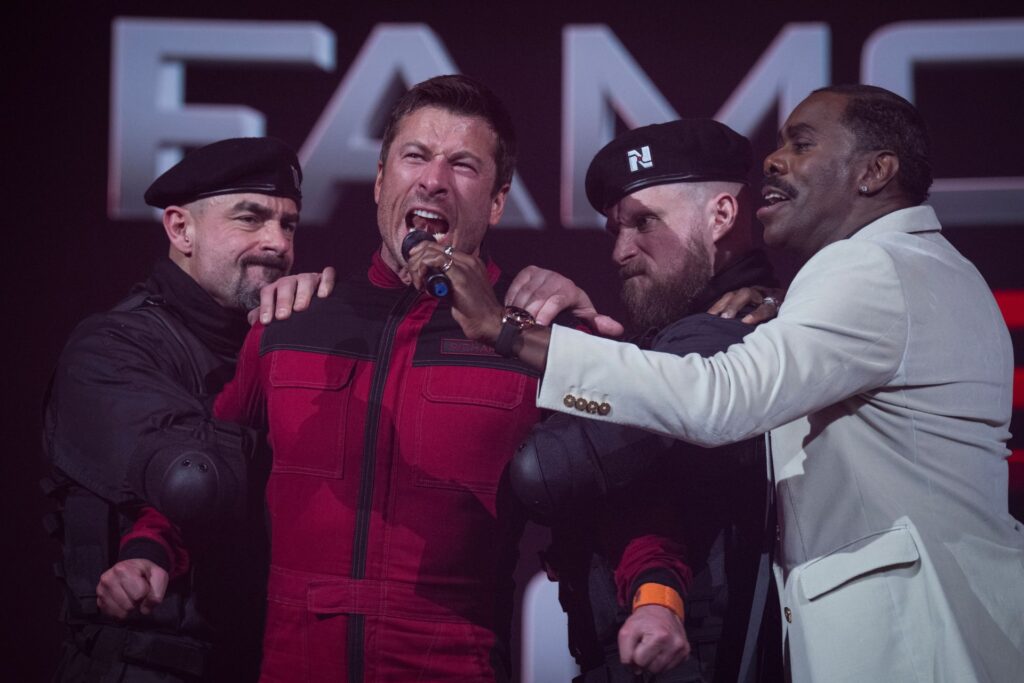
Deadline also points out the problem at the change of the guard at Paramount Pictures during the film’s marketing push. The film was greenlit under Brian Robbins’ tenure. Some of its promotional run being looked over once David Ellison took charge. There was a targeted marketing effort under Robbins’ watch. But that wasn’t the case once Ellison came into power over the summer. A new marketing director figurehead was brought in under Ellison, with Josh Goldstine taking over for Marc Weinstock.
Goldstine arrived on Oct. 15, and reports suggest that no one wanted to make big marketing moves until he was firmly in place. Goldstine oversaw the trailers for The Running Man after its initial trailer was released, and his goal was to target more demos that the first trailer didn’t hit. It appears that it was too little too late because once the film hit tracking and didn’t budge from its potential opening, while pre-sales also seemed to stall, marketing spend was slashed for the film in order to stop some of the bleeding.
In other words, The Running Man may have just been a victim of a regime change that may not have greenlit the movie in the first place. Ellison’s strategy seems to be about targeting larger IP with more universal appeal. They more than likely would still have Powell on their slate, but in an IP that could reach a broader audience.
OVERALL THOUGHTS
The Running Man shouldn’t be viewed as a ding on Powell’s movie-star appeal, because he obviously has the charm, likability, and talent to go far in that regard. The Running Man may not have been the right project to test the waters with his appeal. It was a huge gamble to put $110 million into a project like this in the hopes of it becoming the start of a potential franchise.
As we have seen, a lot has to be in play when trying to resurrect some of these older properties. They need to have the reach to register with an audience beyond one fanbase, and they need to be able to appear fresh in the current market, despite when they originated. Perhaps the lesson here will be that more time and care need to go into deciding which IPs to bring back into the mainstream because moviegoers aren’t just going to accept everything that’s thrown at them.
The Running Man is currently playing in theaters nationwide.


![Sony Previews ‘Until Dawn’ Feature Adaptation [Trailer]](https://www.thathashtagshow.com/wp-content/uploads/2025/01/until_dawn_still_requests_4k_f_t_tl_24p_r709g24_20250106_1000x472_thumbnail-440x264.jpg)

 That Hashtag Show
