
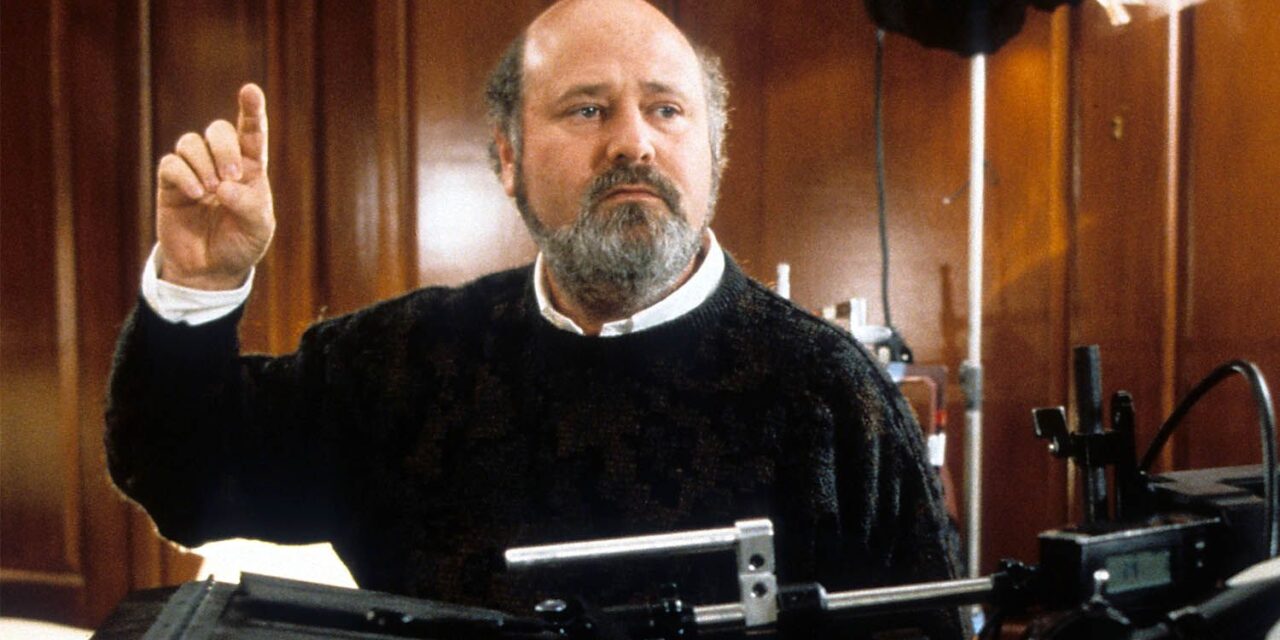
The tragedy surrounding the murder of Rob Reiner and his wife, Michele, has shaken the industry to its core, and it’s something that will continue to linger as more facts emerge. In times like this, sometimes the lone bright spot when someone so talented and prolific leaves us is that they leave behind a body of work that allows their legacy to live on.
Reiner never won an Academy Award, and he may not be frequently mentioned among some of his more auteur contemporaries, but some of his work was so impressive because he crossed genres effortlessly, and there was a sense of humanity to just about everything he did. He allowed his stories to be conveyed through the talents of the many actors he worked with, and his ability to understand their sensibilities was one of his many talents that has been spoken about frequently in the wake of his passing. Instead of simply ranking his five best movies ever, I wanted to break down the five essential movies he directed that personally made an impact on me, and possibly others, over his very successful career.
Honorable Mention: The American President (1995)
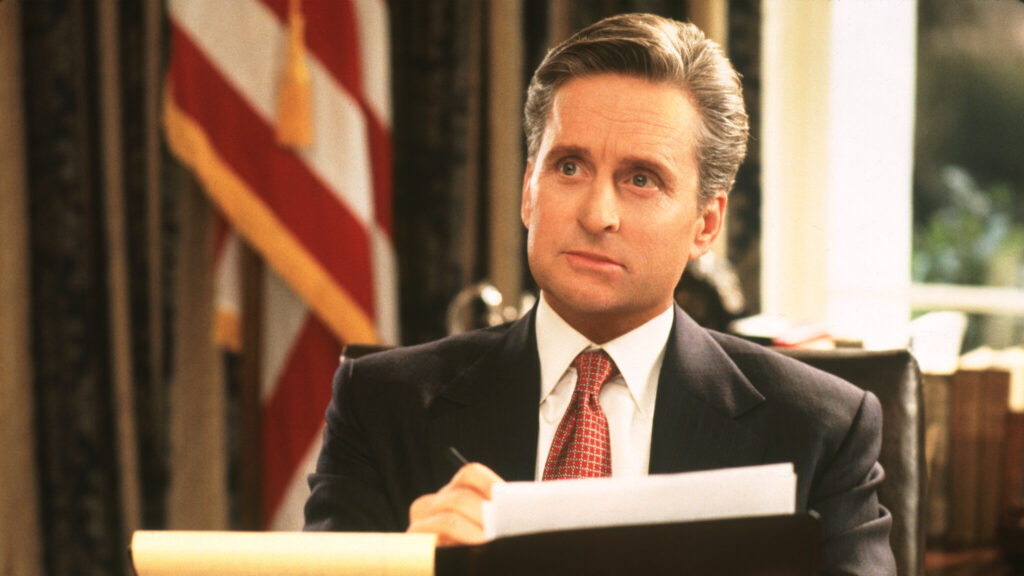
A film that had a milestone 30th anniversary just last month, The American President serves as a political romantic dramedy, but thanks to Reiner’s direction and Aaron Sorkin’s script, it touches not only on rom-com sensibilities that speak to the target audience, but it also highlights issues that have given the film a lasting legacy. The film follows President Andrew Shepherd (Michael Douglas), a widower who is also preparing to run for re-election when he also begins to pursue a romantic relationship with an environmental lobbyist named Sydney Ellen Wade (Annette Bening).
The American President is one of those perfect storms of director and writer. In many ways, the film represents the beginning stages of what would become Sorkin’s prolific television series, The West Wing. Sorkin was able to dive into issues such as gun control bills and a “proportional response” to military attacks on American assets abroad, while also presenting a pretty idealistic picture of who the President is or perhaps should be. The film isn’t overtly political, but it’s clear where Sorkin’s views lie.
What Reiner brings to the project is a real sense of romance and charm that matches Sorkin’s idealistic view of the lives behind the people inhabiting the White House. There’s something remarkably old Hollywood about the whole endeavor, and Reiner, despite understanding that the infectious rapport between Douglas and Bening is the film’s selling point, isn’t afraid to highlight some of the film’s more dramatic moments with class and respect. Through the storytelling of Sorkin’s pen and Reiner’s insight behind the camera, The American President shows us that political figures are humans too.
5. The Princess Bride (1987)
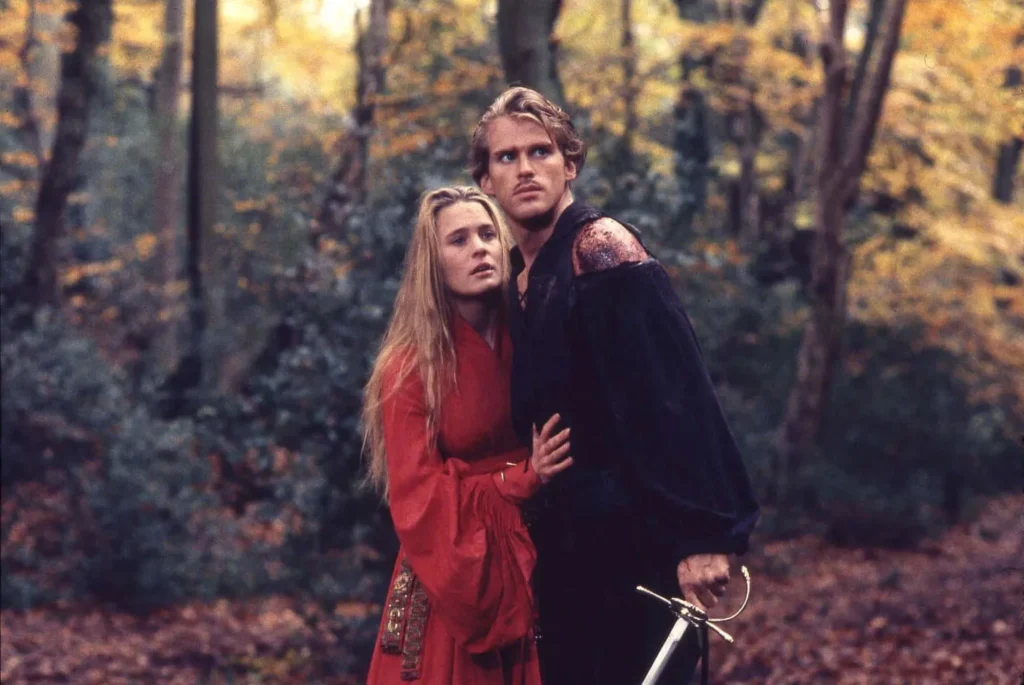
In 1987, following establishing what a true mockumentary could be with This Is Spinal Tap and touching our hearts with the coming-of-age story Stand by Me, Reiner dived into a fantasy adventure comedy that remains an essential fan favorite with The Princess Bride. Written by William Goldman, The Princess Bride is adapted from his novel of the same name, which follows a farmhand with swashbuckling sensibilities named Westley (Cary Elwes) who, with the help of companions he comes across on his journey, is tasked with rescuing Princess Buttercup (Robin Wright) from Prince Humperdinck (Chris Sarandon).
Oddly enough, despite substantial critical praise, The Princess Bride was considered a box office underperformer ($30.8 million on a $16 million budget) upon its initial release, given its scope, but it found its true life after its theatrical run as a cult classic. It’s easy to see why. In the same way Steven Spielberg touched on childhood fantasies of action, adventure, and maybe a little romance, Reiner scored majorly in that regard with this film, while also bringing his skills as a comedian to the table to craft several hilarious and memorable moments throughout the movie.
Reiner hits the trifecta with The Princess Bride by delivering a movie that is intelligent, romantic, and a fun swashbuckling action-adventure that calls back to stories of the past while reinventing the damsel-in-distress scenario to great effect. Elwes share a palpable chemistry, and all involved understand the assignment of the film’s humor, including great supporting turns from Mandy Patinkin, Andre the Giant, Christopher Guest, Wallace Shawn, Peter Falk, Billy Crystal, Fred Savage, and Carol Kane. It’s immensely quotable and unforgettable. To ignore this classic from Reiner’s filmography would be inconceivable.
4. Misery (1990)
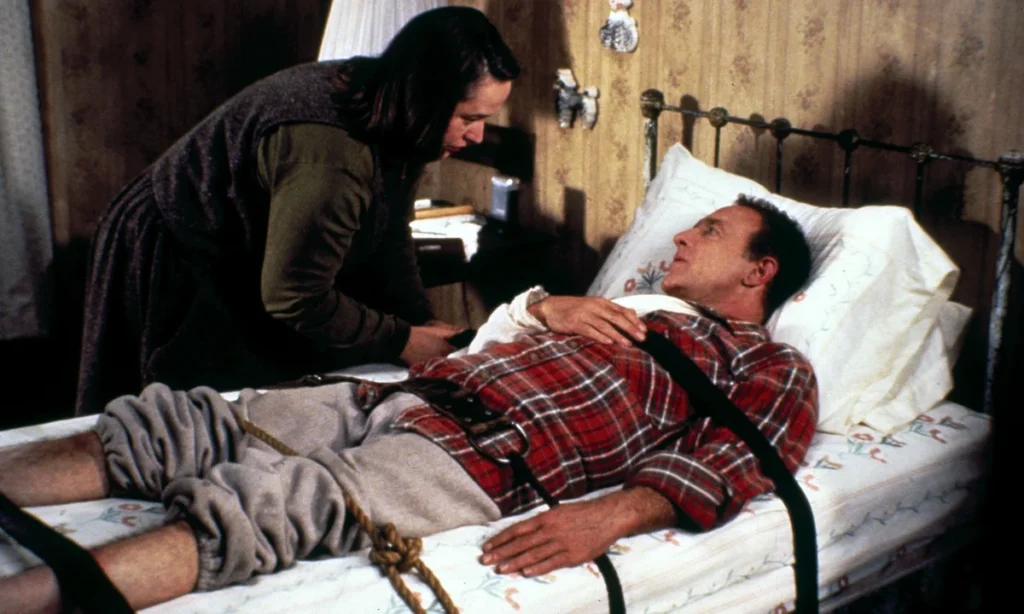
In a testament to Reiner’s ability to cross genres, the director took on Stephen King once again with an adaptation of his psychological horror thriller novel, Misery. Reiner was able to effectively draw from the touching coming-of-age nature of King’s Stand by Me, and he doesn’t miss a single beat, looking into the dangers of toxic fandom with Misery, delivering one of the best King adaptations in the process.
Written by William Goldman and based on King’s 1987 novel of the same name, Misery follows a novelist named Paul Sheldon (James Caan) who is held captive by an obsessed fan named Annie Wilkes (Kathy Bates) after he crashes his car during an intense blizzard. On the surface, this doesn’t appear to be a film that would be in Reiner’s wheelhouse, but as a director, he was able to bring his talents to different genres effortlessly, and this represents one of his best showcases. He heightens the tension with every scene and makes the uncomfortable union between Paul and Annie something you simply can’t turn away from.
Despite being a psychological horror thriller at its core, the film has a lot of dark humor that Goldman and Reiner have a lot of fun with, particularly through the Annie Wilkes character, as the audience sits with unnerving anticipation, wondering what crazy things she will come up with next. Reiner directed a relatively unknown Bates to an Academy Award for Best Actress and gave us some truly iconic and hard-to-look-at scenes along the way. Perhaps it’s fitting that Reiner was behind the camera on the only movie based on a King novel to win an Oscar because he’s been involved with some of the best. Misery ends up being an intriguing look into fan culture and whether or not artists owe their fans ultimate satisfaction through the work that they create.
3. When Harry Met Sally…(1989)
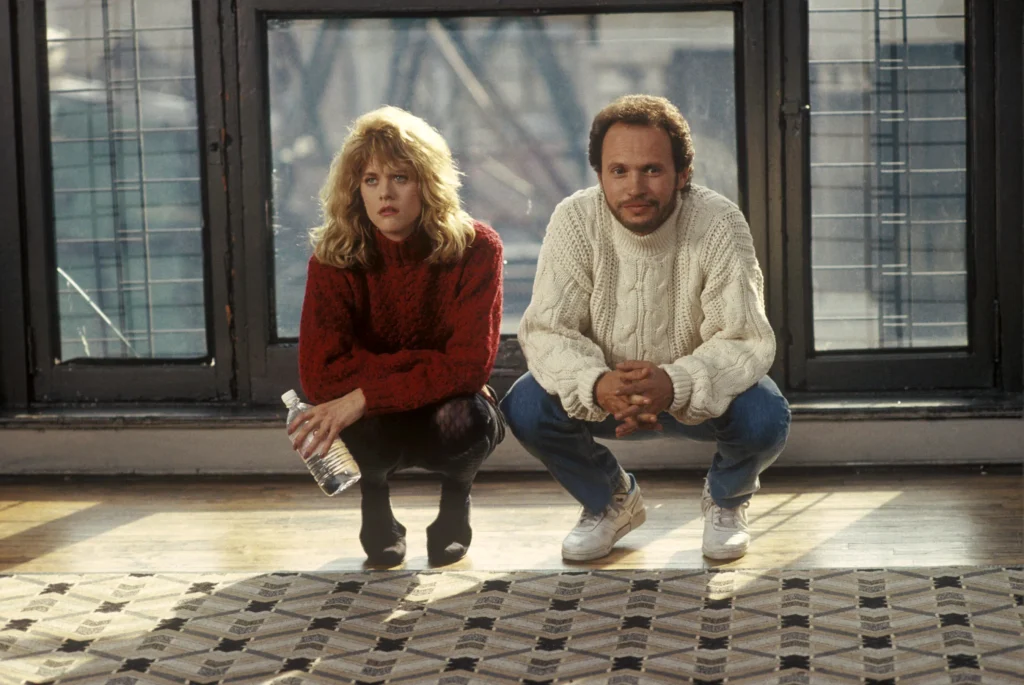
Described as the ultimate romantic comedy by many, When Harry Met Sally… represents another perfect union of writer and director. Nora Ephron conceived the screenplay, but Reiner, serving as the film’s director, drew from his real life to help bring this story to life. Many of the ideas began following Reiner and Penny Marshall’s divorce, with the director serving as the basis for Harry (Billy Crystal) while Sally (Meg Ryan) was inspired by Ephron and some of her close friends.
When Harry Met Sally… tracks the title characters from the moment they meet in Chicago and share a drive to New York City through twelve years of other encounters that tackle the question that still resonates today: “Can men and women ever just be friends?” There is something refreshingly real about When Harry Met Sally… and that’s because Reiner and Ephron weren’t afraid to draw from their real lives to make something truly authentic. The conversations don’t feel scripted, and the exchanges come across with so much sincerity that audiences over the years have likely found themselves having similar discussions with their friends and potential romantic partners.
As characters, Harry and Sally are both messy, but they both bring something to the table throughout their encounters that makes them both identifiable. This is a true sign of a great screenplay. When Harry Met Sally… doesn’t make one of these characters the “villain” of the story. They’re both navigating love and life while tackling similar and complicated questions along the way. For many, these are career-defining performances for both Crystal and Ryan, giving the genre the push-and-pull chemistry that has become the cornerstone of other films that have tried to capture all of its charms. Perhaps the most endearing story to come from this film is that Reiner changed the ending for the characters to end up together because he met his future wife, Michele, while filming (she was the movie’s set photographer), and found a love that would serve them both for many years to come.
2. A Few Good Men (1992)
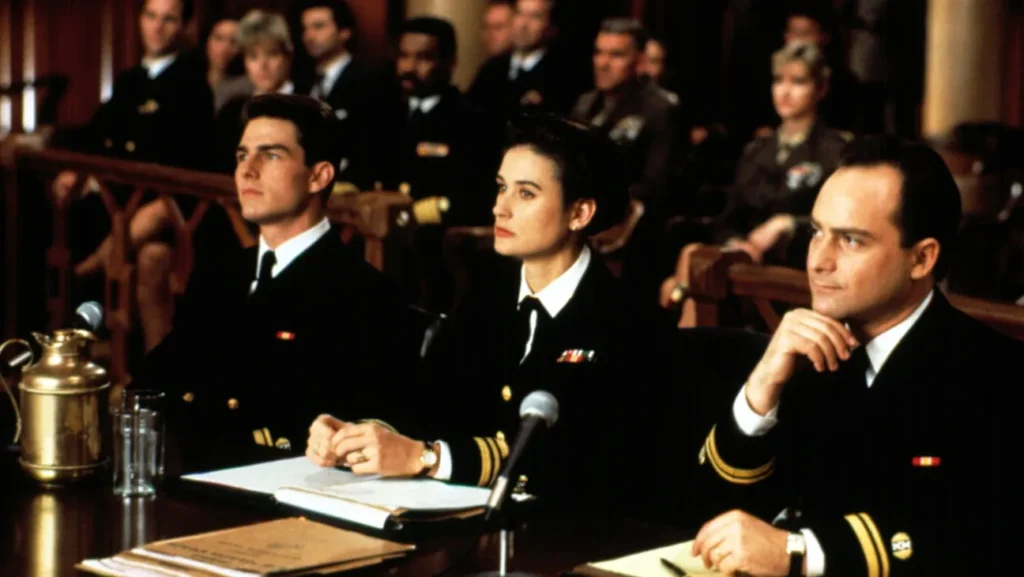
Reiner got to have what came close to his Oscar-winning moment with 1992’s A Few Good Men, a film that received four Academy Awards upon release, including Best Picture. A Few Good Men, in so many ways, represents the best of the dramas that used to come out in the ’90s, showcasing solid direction, impeccable writing, and standout performances from a strong ensemble cast. Written by Aaron Sorkin, who adapted his 1989 play of the same name, A Few Good Men follows the intense court-martial of two U.S. Marines charged with the murder of a fellow Marine and the extensive preparation done by their lawyers as they take on the case.
Reiner has been called a director that knows how to bring the best out of his cast and he does that with A Few Good Men, pulling excellent performances from Tom Cruise (still maintain he deserved an Oscar nomination for his work here), Demi Moore, and Jack Nicholson, among others. There’s a reason why Nicholson’s limited screen time earned him an Oscar nomination for Best Supporting Actor because his intense verbal sparring as Colonel Nathan R. Jessep, when paired against Cruise’s hotshot lawyer, Lieutenant Daniel Kaffee, is a tour de force of a director allowing his actors to cook and letting their talents speak for themselves on screen. Reiner knew that his job as a director was to give his performers a stage to feel comfortable and that’s what he provided with A Few Good Men.
Some of the film’s best scenes are set up with the intimacy of a stage production and it avoid being unnecessarily showy. A Few Good Men is a true actor’s showcase and a masterclass in directing what feels like a big tentpole popcorn film that never loses its sense of engaging drama and intrigue. It also speaks to many of the truths that Reiner was said to have believed in, especially when it came to his view on America and that’s the importance of accountability above all else.
1. Stand by Me (1986)
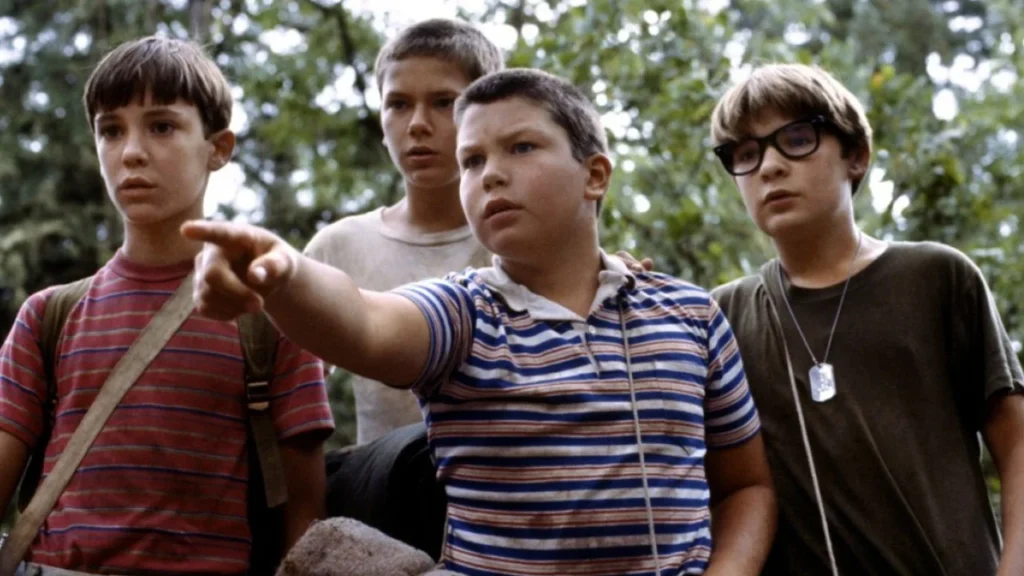
No matter your age or when you happened to have seen it, there is something so beautifully powerful and poignant about Stand by Me, a film that probably best represents Reiner’s ability as a storyteller to bring a story to life and use his cast as the vessel to ensure the film’s story touches everyone who sees it.
Written by Raynold Gideo and Bruce A. Evans, Stand by Me is based on Stephen King’s 1982 novella The Body and takes place in the fictional town of Castle Rock. Four friends, in 1959, find themselves coming-of-age journey to find the dead body of a missing boy, and what follows is a story of self-discovery that is unflinchingly honest in its depiction. Reiner’s best decision with Stand by Me is to take the lives of each character seriously. It didn’t matter that they were young. He believed that each of these four characters had soul, humanity, and heart. He SAW them, and that’s an importance throughout Stand by Me that has made it a generational classic. Wil Wheaton, River Phoenix, Corey Feldman, and Jerry O’Connell give top-notch performances here, but it’s Reiner’s attention with Wheaton and Phoenix that gives the film an extra boost of emotional power that simply can’t be ignored.
As adults, the surviving members of the main cast (Phoenix sadly passed away far too young in 1993) have all spoken about how Reiner was gentle with them and yet allowed them to hit levels of nuance and pathos that were well beyond their years because he believed in their abilities. Reiner has also said in the past that the film means the most to him of all the films he made because he was able to relate to it on a personal level. As someone who has loved this for years, I’ll forever thank Reiner for sharing that relatability with audiences because Stand by Me remains a pivotal piece of work that gets better with each viewing and never loses its ability to touch those who come across it.
R.I.P. Rob Reiner. Your ability to touch the souls of the audience will be missed but never forgotten.




 That Hashtag Show
