
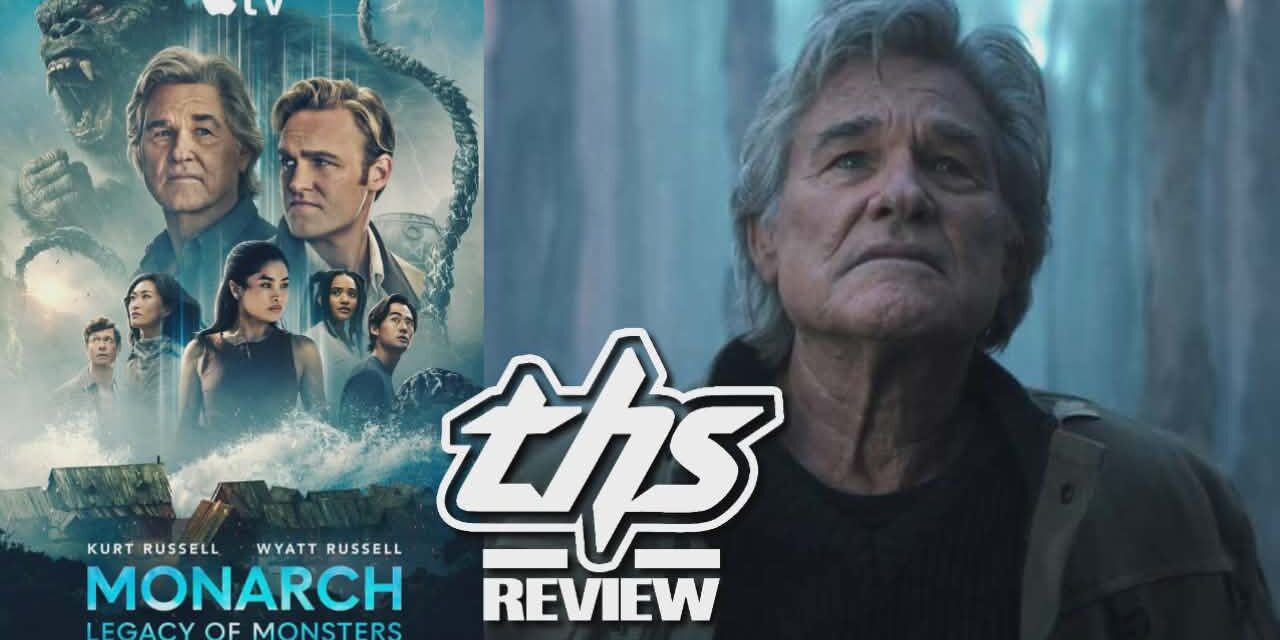
Season 2 of Monarch: Legacy of Monsters feels like the Monsterverse finally found its long-form superpower. The series takes the best parts of the films and binds them into something richer. You get the human cost that makes the Godzilla stories sting. You get the lore and sci-fi that makes the world feel huge. You get character messiness that feels lived-in. You still get spectacle that delivers scale and wow. It never becomes a thin excuse for kaiju chaos. It becomes the connective tissue that makes the chaos matter.
Monarch Season 2 Makes The Monsterverse Feel Like A Real World

This season understands that a cinematic universe lives or dies on consequences. It keeps the Monsterverse grounded in grief, trauma, and hard choices. It also expands the mythology in a way that feels purposeful. Monarch is not just a logo and a bunker. It is a living institution with scars, secrets, and competing agendas. The show makes the monsters feel like forces of nature, not just action beats. When a Titan moves, lives change. Cities pay. Families fracture. That cost keeps every big moment from feeling weightless.
The Russell Baton Handoffs And A Love Triangle That Actually Works

Kurt Russell and Wyatt Russell remain the show’s secret flex. They do not just share a role. They share a soul. Season two continues the clean handoff between eras, with mirrored timing, posture, and attitude that makes Lee Shaw feel like one continuous life. It is not an impression. It is a collaboration.
The love triangle also lands because it plays like adult emotion, not soap. It adds tenderness, regret, and tension without flattening anyone into a trope. It gives Shaw texture. It gives Keiko gravity. It gives Bill a human edge. The triangle becomes part of the show’s thesis about devotion, ambition, and the costs of choosing one life over another.
The Randa Family Brings The Emotional Mirror
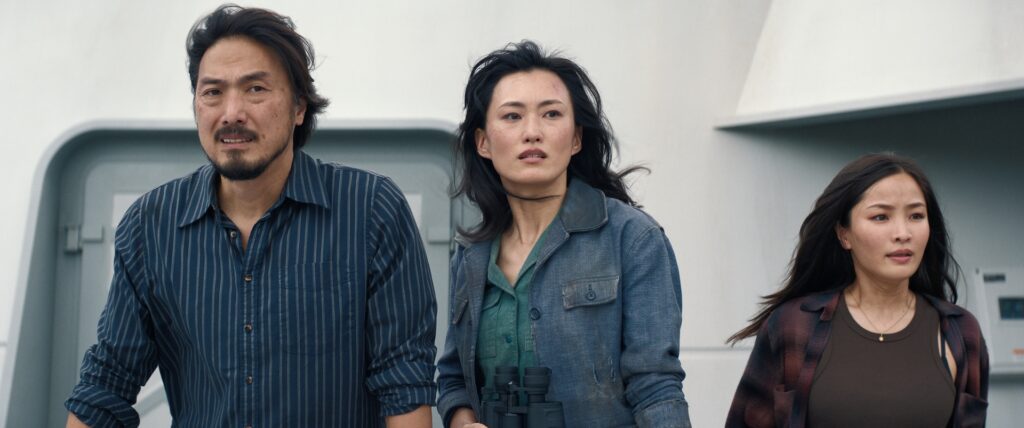
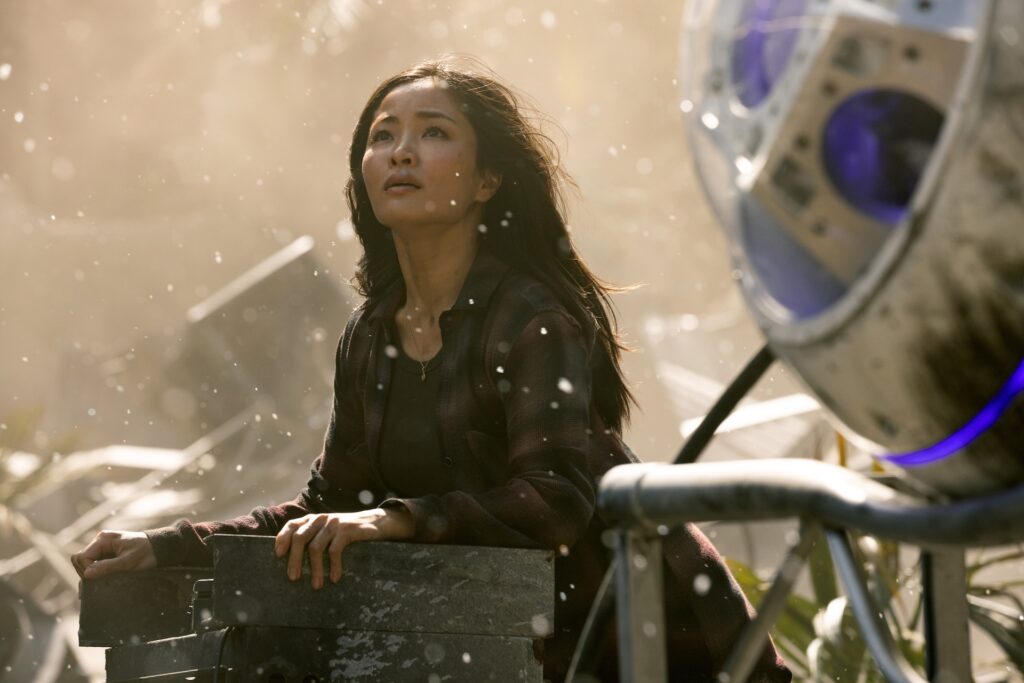
Anna Sawai remains essential. She carries the experience of living between worlds with real weight. You can see the push and pull in her eyes, the need to make it all cohere, and the exhaustion of always translating yourself. Her scenes make the Monsterverse feel personal.
Takehiro Hira deepens the series with quiet authority and lived-in pain. He plays Hiroshi like a man carrying a lifetime of consequences in his posture. He never begs for sympathy, yet he earns it anyway. He makes secrecy feel like protection, then makes it feel like betrayal. That push and pull gives the family story real heat. He also grounds the sci-fi. When he reacts, the world feels real.
Mari Yamamoto makes Keiko one of the season’s most complete characters. She reads as capable in the field, decisive under pressure, and credible as a leading force within Monarch’s origin story. At the same time, she carries emotional complexity with real ache. She loves two people, and she knows every choice costs someone. Yamamoto lets that burden live behind the eyes, even in moments of competence and command. The result feels human, not melodramatic. She becomes the show’s emotional engine and one of its sharpest minds.
Titan X: The Season’s Best New Nightmare

Titan X rules because it feels like an apex problem, not just a new toy. The design sells danger on sight, and the show stages it like a natural disaster with intent. Every appearance tightens the room. Every movement changes the plan. The season uses Titan X to remind us why Monarch exists, and why Monarch fails. It also raises the dread ceiling, because it feels smarter than a standard rampage. Titan X becomes the season’s pressure point, forcing characters to choose between survival and responsibility.
Season two nails the balance of scale and restraint. It knows when to go big. It knows when to hold on a face instead. The show builds tension like a thriller, then pays it off with spectacle that feels earned. The monsters never feel random. They feel like plot pressure made physical.
The Time Problem That Almost Becomes A Puzzle Box
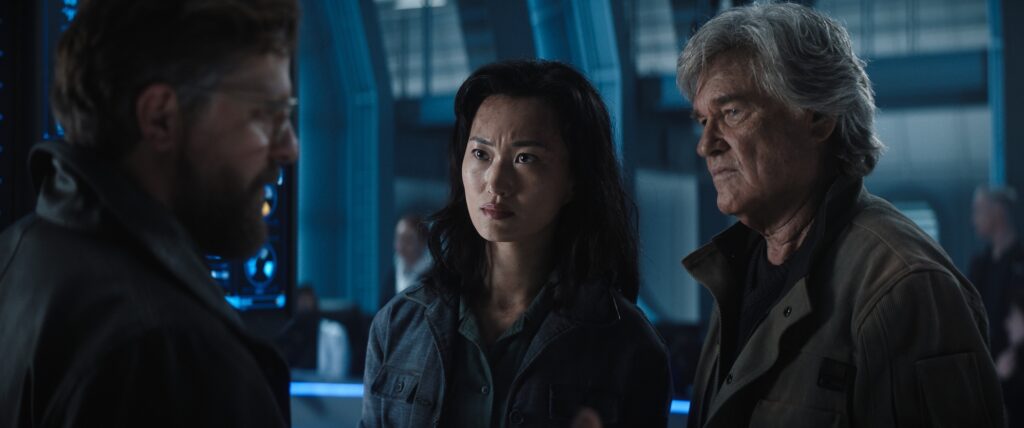
My only real ding is the time dilation and timeline juggling. It does not ruin the season. It can be hard to track, especially when the show leaps across decades and realities. Sometimes you feel like you need a map and a stopwatch. Still, the emotional throughline stays strong enough to keep you locked in.
Monarch is The Strongest Unifying Thread The Monsterverse Has
What impressed me most is how consistently this season builds the Monsterverse with character and worldbuilding. It does not rely on loose reasons for kaiju fights. It builds meaning, then lets the Titans amplify it. It embraces hard topics. It does not offer cookie-cutter conclusions. It also does not pander. It lets mistakes happen, then forces growth.
I give season two of Monarch: Legacy of Monsters an
8/10
Season 2 is now streaming on Apple TV+, the premiere was on February 27, 2026. The season runs ten episodes, releasing weekly through May 1, 2026. This one plays best on a big screen with strong sound. The scale and rumble reward it. If you can, watch week to week, then rewatch as a full sweep. The timeline beats land cleaner on a binge.
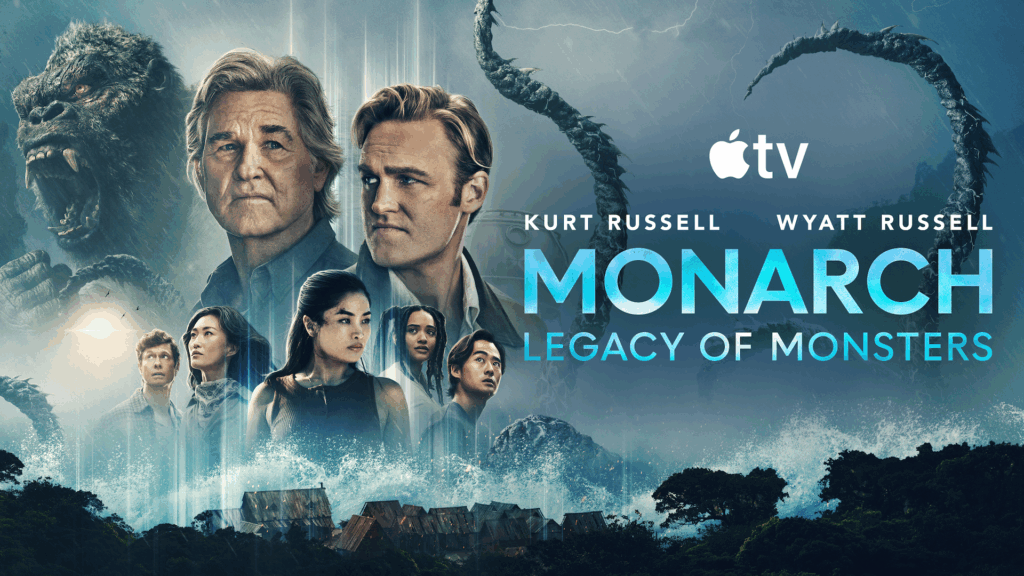
Ready to return to Skull Island and feel the Monsterverse actually deepen? Which part pulls you in most, the family drama, the Monarch lore, or the Titan-scale spectacle? Who is your season two MVP, Sawai, the Russells, or the supporting crew? Drop your take in the comments or @me.


![‘Trigun Stampede’ Ep. 4 “Hungry!”: Enter The Wolfwood [Anime Review]](https://www.thathashtagshow.com/wp-content/uploads/2023/01/328227805_1297189607515263_759411030823991665_n-440x264.jpg)
![“NIGHT NURSE” Is a Strange Erotic Thriller That Is Hard to Shake [SUNDANCE 2026 REVIEW]](https://www.thathashtagshow.com/wp-content/uploads/2026/02/b6e99138-fc3d-4398-a9f1-bb064b3a42e9-440x264.jpg)
![Live Your Gaming Dreams At Super Nintendo World [Review]](https://www.thathashtagshow.com/wp-content/uploads/2023/02/330739708_923759671985860_6137925874834015801_n-440x264.jpg)
 That Hashtag Show
