
WonderCon gave For All Mankind fans a sharp look at what makes season 5 feel different. This time, the show is not just advancing its timeline. It is shifting its center of gravity. During our interview, co-creators Matt Wolpert and Ben Nedivi, joined by Sean Kaufman, Ruby Cruz, and Coral Peña, framed the new season as a story about Mars growing up, pushing back, and demanding control of its own future.
Season 5 Turns the Space Race Into a Fight for Mars
Wolpert made the biggest season 5 idea clear right away. Earlier seasons focused on nations racing through space. Now, the tension lives between worlds.
“We were really interested to talk about a competition between Earth and Mars.”
“All of these people who have moved to Mars and have made Mars their home.”
“They’re trying to kind of determine their own futures.”
That shift gives season 5 a fresh engine. For All Mankind no longer asks who gets to space first. It asks who gets to own the future once people build a life there. That is a smarter conflict. It also feels bigger. Earth is no longer the only center of power. Mars now has its own people, pride, and political identity. That gives the season a more combustible edge.
The New Generation Makes Mars Feel Personal
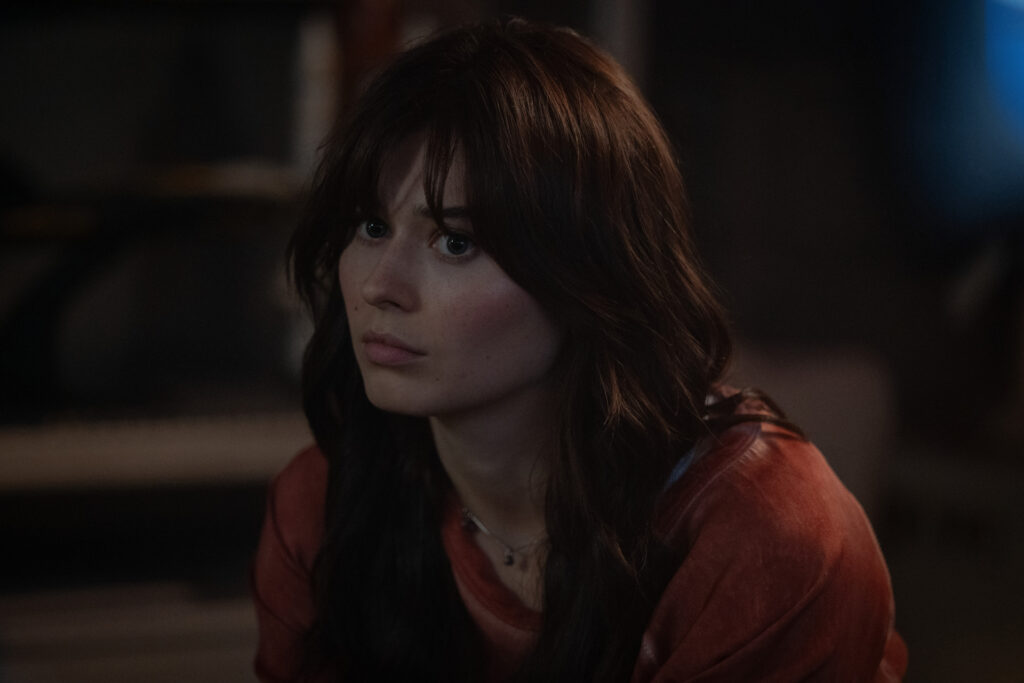
The cast helped explain why this new era works. Kaufman and Cruz described Mars less like a frontier and more like a hometown. That choice makes the show feel more intimate, even as its ideas stay massive.
“It’s like this 18 year old kid who has to call this small town home.”
“He literally can’t leave.”
“There’s people who are dying to get out.”
“There are people that find so much comfort in the place that they’re from.”
That perspective is the hook. Mars is still science fiction. But season 5 also sounds like a coming-of-age story. Alex feels trapped by it. Lily feels pride in it. That split gives the colony emotional texture. It also makes the Earth-versus-Mars tension land harder. This is not just policy. It is identity. Lily’s arc, especially, sounds built around a young person learning how to speak up and matter. That is a grounded way to tell a much larger political story.
The Show Still Uses Alternate History to Reflect the Present
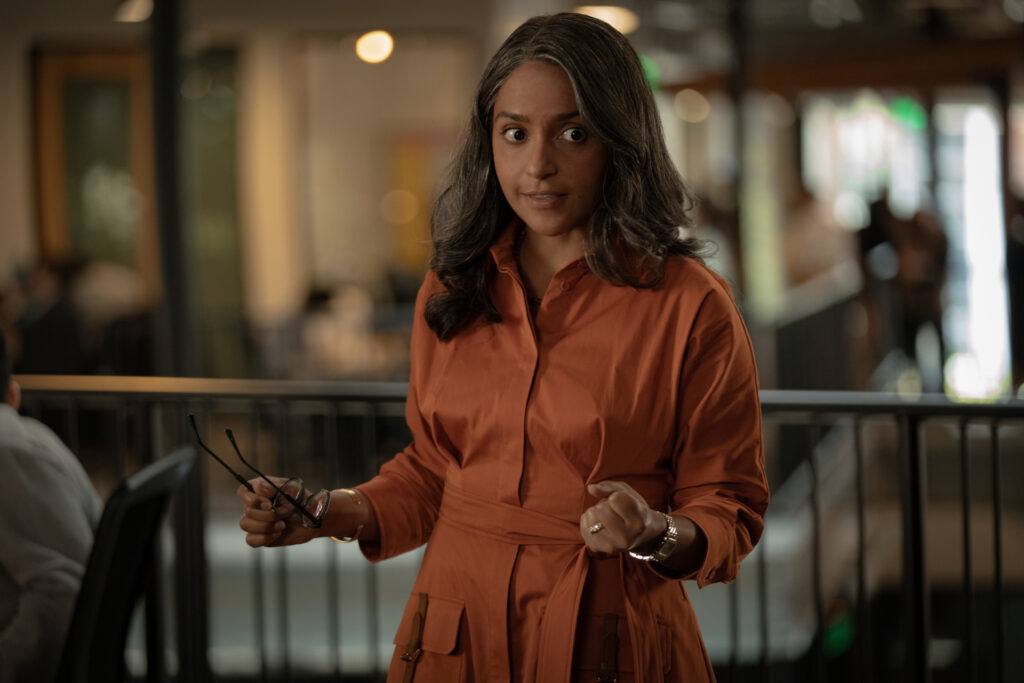
Nedivi and Wolpert also explained why the series still feels so connected to real life. They do not treat alternate history like a gimmick. They treat history itself as source material.
“We always think of history as our IP.”
“By season five, the butterfly effect gets huge.”
“It still could be that reality, if people just do make some different choices.”
That is why For All Mankind still hits. It imagines a different path, but it keeps that path rooted in human choices. Coral Peña pushed that further when she described Aleida as someone caught between scientific purpose and private-sector pressure. That tension mirrors the real-world pull between public ambition and corporate control. The result feels timely without becoming preachy. It is still a space drama, but it keeps reflecting the systems shaping our own world.
Season 5 of For All Mankind premiered on March 27, 2026 on Apple TV+, and Apple has already renewed the series for a sixth and final season. Apple says season 5 picks up after the Goldilocks asteroid heist, with Mars now a thriving colony and friction rising between Earth and the people who live on the Red Planet.
Are you excited to see Mars push back against Earth in season 5? Which new character perspective interests you most? Do you want For All Mankind to stay grounded, or go even wilder before the end? Share your thoughts in the comments or @me

![‘Do Not Enter’: Cast On Their Creepy Experience Filming And Their Thoughts On Urban Exploring [THS Interview]](https://www.thathashtagshow.com/wp-content/uploads/2026/03/Untitled-1-4-1-440x264.png)
![‘Wheel of Time’ Poster, Premiere Revealed [SDCC]](https://www.thathashtagshow.com/wp-content/uploads/2021/07/wheel-of-time-sdcc-2021-440x264.jpg)
![Hyper RPG Set To Launch New KOLLOK Series On FearHQ [Interview]](https://www.thathashtagshow.com/wp-content/uploads/2022/02/project_20220216_1648179-01-440x264.png)
![Getting to Know The Voice Cast Of “The Wonderfully Weird World Of Gumball” [SDCC Interview]](https://www.thathashtagshow.com/wp-content/uploads/2025/08/5754948108432112052-440x264.png)
 That Hashtag Show
